Teach Area of Complex or Composite Shapes figures, middle school math lesson and activities
|

How to teach the area of composite/complex figures in an EPIC way!

Struggling to teach the area of composite figures in a way your students actually get?

Ever wondered that every time you feel like thinking about how to get started or how even to think about introducing the topic to your kids, frustration kicks in!

Believe it or not, we all have been there during our first few years of teaching.

And you’re not alone… If your kids are zoning out the second you say “area” keep reading, this post breaks it down with easy, engaging ideas that make sense (and work for all levels).
Teach kids how to find Area of Complex or Composite Shapes  figures | middle school math lessons and activities

Explore the Area of complex figures in an exciting way

Let’s be real right now teaching math isn’t what it used to be. Today’s kids are growing up with TikTok-level attention spans and infinite entertainment options at their fingertips.

That means if your area of complex shapes lessons are not engaging and exciting enough, you’ve already lost half the battle.

Here’s the good news, you don’t need flashy tech or hours of prep work just to make the area of composite figures click for your students. You just need the right strategy.

So how do you teach this topic in a way that’s fun, clear, and actually sticks?
find Area of Complex or Composite Shapes lesson math middle school

The answer: make it visual, hands-on, and connected to real life, yup, that’s right this way your students aren’t just memorizing formulas, they’re solving problems like mini math detectives on a mission hunt.

Now the question is where do you begin?

Start with the Basics:

Like I said, it all starts with basics.

And to be honest, there is no other answer to this problem other than nailing the basics!

Here is the hard truth… if kids find the lesson interesting, they are more likely to be engaged and motivated to learn about the problem, think about it, practice it, and ultimately feel a sense of confidence in their skills.

This is why using gamified methods of teaching math inside your classroom can be a handy tool for teaching any concept!

Teach kids how to find Area of Complex or Composite Shapes  figures | middle school math lessons and activities

Seeing Math Everywhere:

Here are the steps to help kids see math everywhere in their life.

Step 1: Help Students See Math Everywhere (Real-Life Hook)

One of the most effective ways to introduce composite figures is by showing students where these shapes exist in their world.

What it means is to check for there: Activate prior knowledge. Ask your students:

  • What basic shapes do you already know?
  • Can you think of any objects that are made up of more than one shape?

Then guide them to see that a playground, a building (maybe school) floor plan, or even a weird-shaped pizza is made of multiple simple shapes.

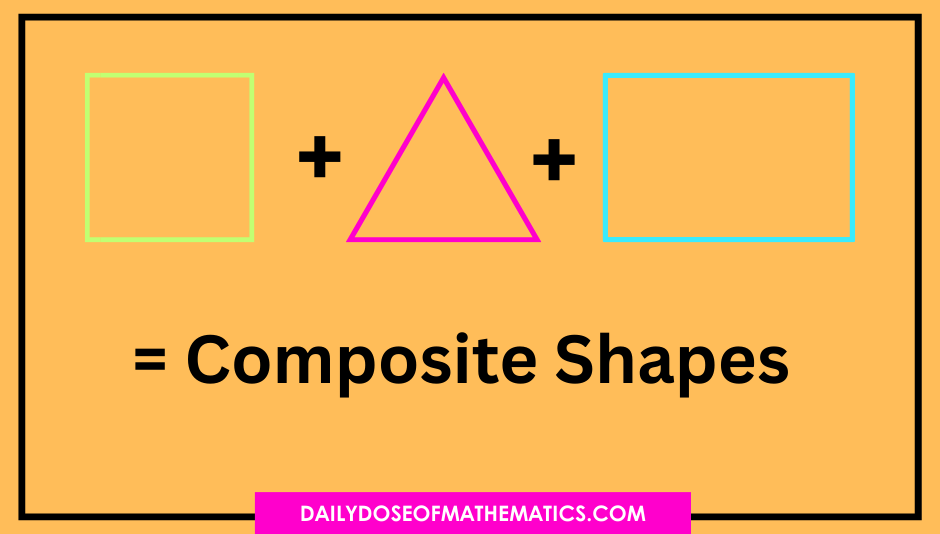
🟩 + 🟥 + 🟦 = Composite figure.

Your goal here is to help them realize that composite shapes are just familiar shapes combined, nothing fancy.
Teach kids how to find Area of Complex or Composite Shapes  figures | middle school math lessons and activities

Step 2: Revisit the Basics with Hands-On Practice

Before diving into composite figures, make sure your students are rock solid on calculating the area of:

  • Squares
  • Rectangles
  • Triangles

Here is a Pro Tip: Use graph paper and have them COUNT squares to confirm what the formulas actually do. This helps your visual and tactile learners “see” the math in action.

Step 3: Decompose a Composite Figure (using engaging activities)

Once the basics are solid, it’s time for the real fun, breaking down a complex shape into smaller, manageable parts.

Here is an activity you can try in your class:

  1. Show them a real-life layout — like a house blueprint or the shape of a playground.
  2. Ask them to identify the basic shapes they see.
  3. Have them outline or color-code each individual shape inside the figure.
  4. Guide them through finding the area of each part — and then adding it all together.

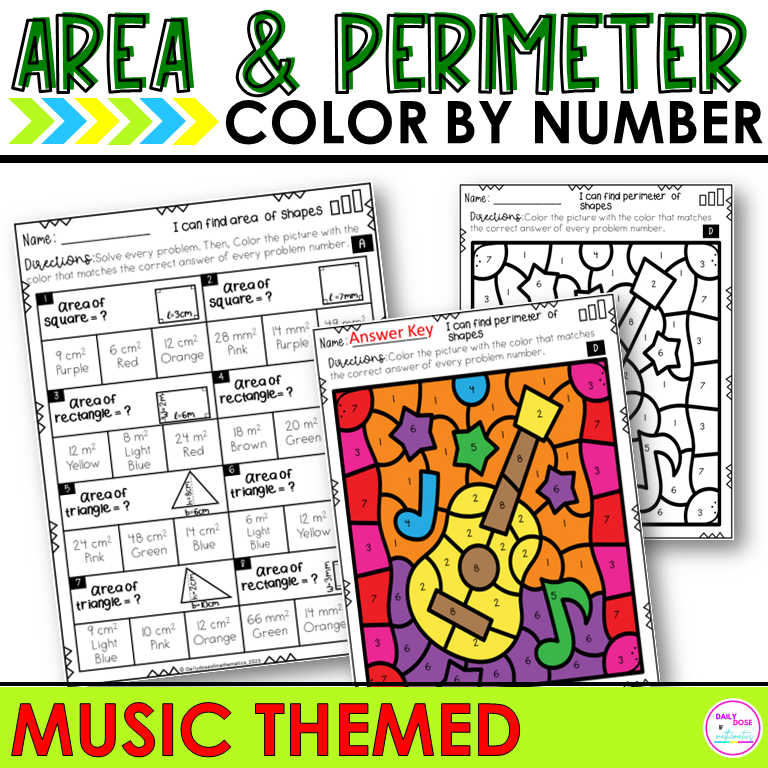
Want a fun way to reinforce this practice? Try out this this area and perimeter Color by Number activity!

Finding the Area of Composite Figures or Complex Figures (Color by Number)

Since kids have already mastered how to calculate the area of regular shapes, it’s time to introduce them to composite figures.

You can use any composite shape, like a park or a house layout, and ask what they see.

Tell them to imagine the shape as a whole building made by several small ones and treat every small shape like a rectangle, square, or triangle as a room inside the building.

Let them think about this concept for a while, and then decompose the shape into its parts and find the area of the individual basic shape.

Finding Area of Complex Figures Piece by Piece

Next, it’s time to decompose composite figures like literally breaking the big shape into smaller, familiar parts.

For better understanding, it’s good to introduce a composite figure with 2 or 3 squares or rectangles and then move on to the more complex figures.

The next step is to ask your kids how many squares or rectangles they see inside their big figures.

Have them trace or outline each individual shape in a different color and then calculate the area of each smaller part one shape at a time.

Pro Tip: Write the area inside each shape as they go to help them see their progress. Next step is to calculate the areas of these individual shapes.

Since your students by now already know how to calculate the area of regular figures, it would not be a daunting task. Lastly, ask them to add all of them together to get the total area.

Want some resources to practice the area of squares, rectangles, and triangles in an exciting way? Check out this area and perimeter Color by Number activity below.
Area of complex figures review practice and perimeter of regular and composite figure, area and perimeter of regular shapes

Finding the Area of Complex Figures (Trending and Most Popular)

Now comes the fun part: tell your kids that we are calculating the area of the whole building, not just the single rooms inside.

They also know how to calculate it by adding the areas of each smaller shape. Basically, by summing up, kids will be able to tell what the area of the complex figure is. 

Want some fun digital and printable activities to help you with this lesson?

Check out this exciting whole class activity: Digital game for area of composite figure that also includes printaba le worksheet for student accountability.
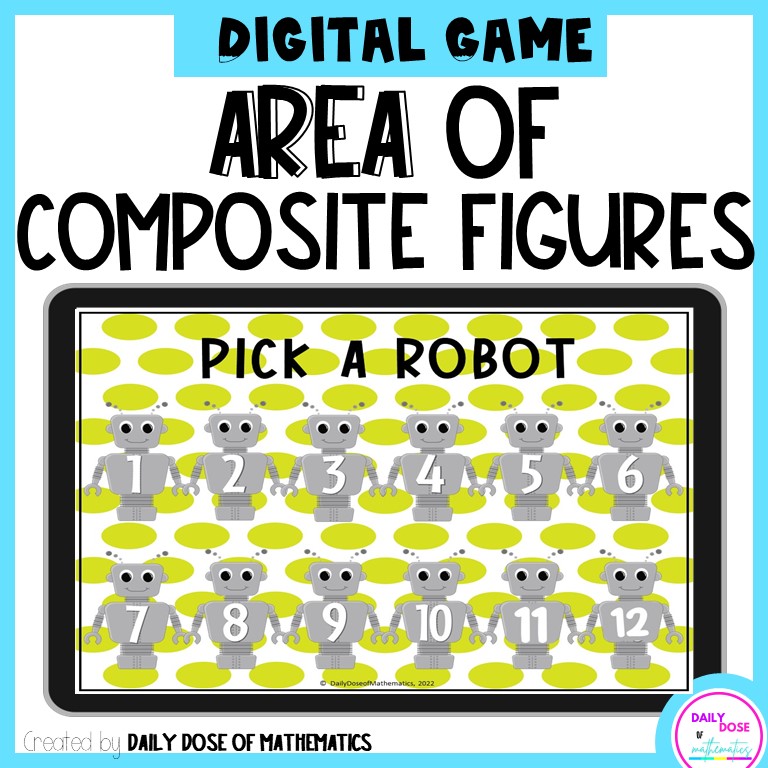
Area of composite figure digital game and activity for 6th grade

Want to access free math resources worth $29. Click here to learn more!

Click here to learn more about 5th Grade math activities that keep your students excited while learning math year long.

Join in to get special FREEBIES and Insider’s FUN!
Similar Posts

  • |

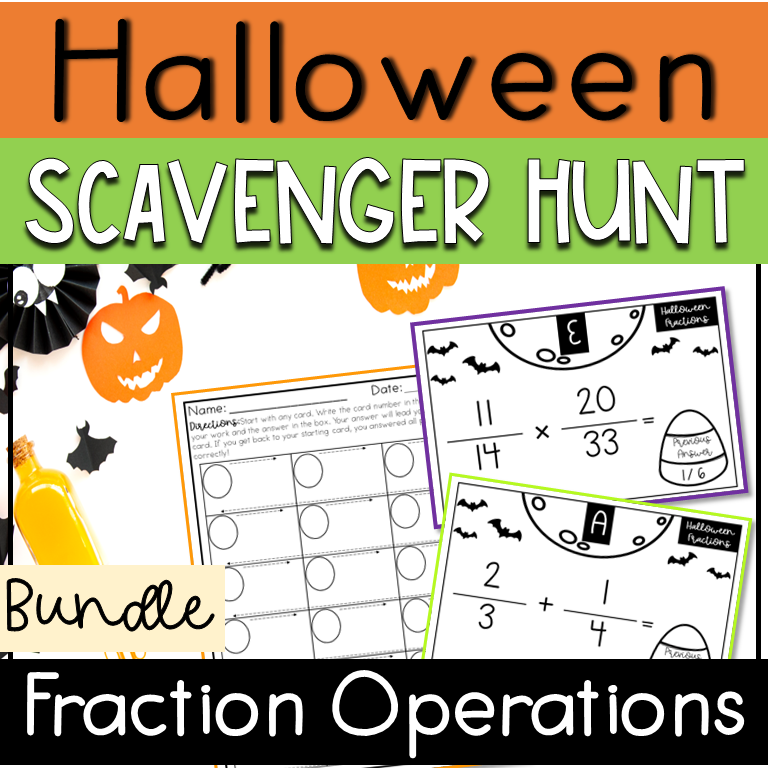
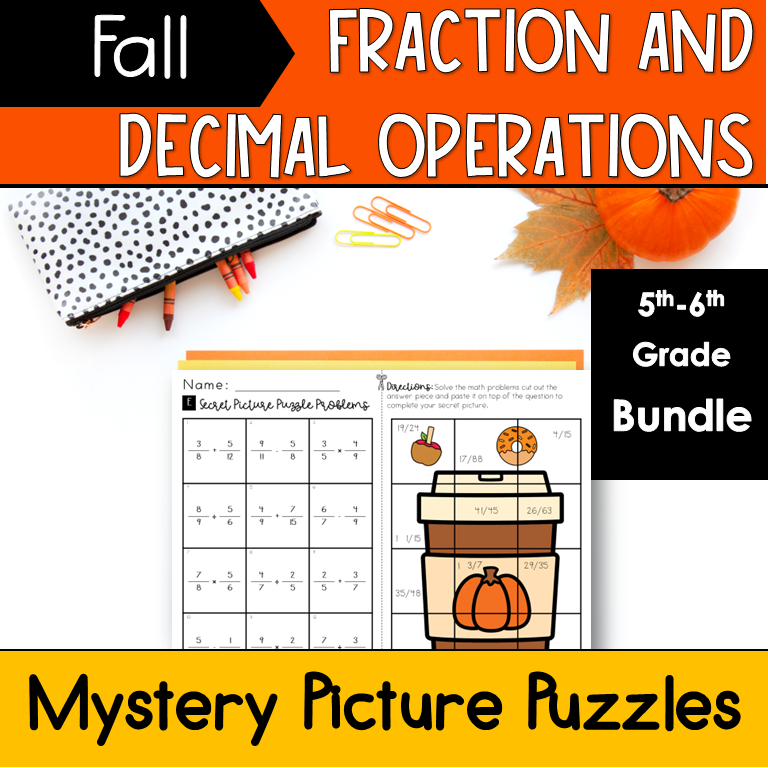
    Fraction Operations: 3 Creative Ways on how to make Kids Master Fractions

    Fractions operations are hard concepts to learn for many kids. Most of my 5th grade students struggle to understand even the basis of what a fraction or a number in a/b form actually means.

    This idea is not just a problem for upper elementary students but for middle school kids too. Just ask your middle school students to cut a circle in 6 parts and see the results they produce.

    It might look something like this:

    fraction operation | adding and subtracting fractions

    Now the problem is not that these kids do not know how to add subtract multiply or divide fractions. Because all these fraction operations can be understood and practice by simply repeating the exact same steps they need to perform to get the answer.

    Instead the problem is their ability to apply and analyze conceptual parts of fractions, so instead of focusing on the simplification side of the concept what you actually need to focus more on is the conceptual side of the topic that is its application and making kids able to analyze and evaluate their learning.

    To understand it better lets discuss why our students struggle to grasp this important concept and how we can help them.

    Why students struggle with fraction operations

    Many students struggle with the conceptual understanding and just learn to find answers using “tricks” like keep, change, flip for fraction division. These kids are the ones that when asked to solve a real life problem like this one:

    Sara has 3/4 of a cake remaining , and she wants to share it equally among herself and her two friends. What fraction of the cake will each person get?

    Question

    are not able to make sense of it. The mere learning of short tricks can not help them master this crucial skill. What we as a teacher need to do is create a smooth and seamless integration of all the previous concepts learned with the new ideas to make it easier for kids to connect the dots.

    Students need to build upon their prior knowledge of whole numbers and their operations and get comfortable with understand what the “a and “b” in a/b form actually tells them about the problem at hand.

    Which means they not only need to know how much of something is being added (which is the numerator part of fraction) but also what is being added that is the denominator part of the fraction.

    Making them understand fractions from bottom up is the key. What does the denominator and the numerators actually tells.

    For example let’s say kids have to add 2/5 + 1/5:

    Here, the ‘2’ and ‘1’ (numerators) tell us ‘how much‘ of something we have, like two pieces of pizza. The ‘5’ (denominator) tells us into ‘how many parts‘ something is divided, like cutting a pizza into 5 slices. So, when adding 2/5 and 1/5, we’re combining parts of the same whole (like adding two slices to one slice of the same pizza, making it 3/5 of the pizza).

    Understanding both parts of a fraction helps kids grasp what they’re working with, making fractions less intimidating. Once kids know the basis they will be able to solve more complex problems on their own.

    fraction operation | adding and subtracting fractions

    Activities to make their learning addition and subtraction of fraction operations easier

    Not all kids learn the same way. Some are visual learners , some like to explore and ask questions to better understand the concept and as a teacher our job is to understand what our kids understanding is of the topic is how to get hem to become better at it. The best worksheets on addition and subtraction of fractions are the ones with real world problems or activities. Let’s learn more about this:

    1. Visual Learning Through Baking and Cooking

    Who does not like the smell of cookies baking in the oven. It turns your kitchen into a fun place to learn. Did you know that making food is a great way to understand fractions? Whether you’re measuring sugar or cutting a pizza, cooking is a yummy way to learn about parts of a whole.

    Activity to Try: Start by making a simple recipe with your child, like cookies or pizza? This gives you an opportunity and fun time to talk about how fractions are used in cooking. For example, you can ask how much is half a cup of sugar? Or how do you cut a pizza so everyone gets an equal slice? In the end, you get to enjoy a tasty snack together!

    What You’ll Learn: Cooking and baking make fractions easy to understand. It’s one thing to see numbers on paper. It’s another to see fractions come to life when you’re cooking. Seeing and touching the parts that make up a whole makes fractions clear and meaningful.

    I think cooking is not just about making food. It’s a chance to see math in action. Next time you’re in the kitchen with your kids, think of it as a chance to explore fractions. It makes learning math not just useful but also delicious. So, grab an apron, and let’s make learning fractions as easy as pie!

    2. Interactive Games and Activities

    In this modern world where technology touches almost every part of our lives, learning has changed a lot after covid. For those of us who learn best by seeing and doing, the increase in online learning platform has opened doors to new possibilities. This is especially true when it comes to understanding fractions—a topic that many find tricky.

    Digital Fraction addition and subtraction activity along with PDF worksheets: There are tons of digital activities out there designed to help with fractions. When choosing an activity, look for ones that are fun for your students and how they learn, give you feedback on how you’re doing, and let you keep track of your progress.

    A great starter can be Addition and Subtraction of fractions with unlike denominator Color by number worksheets. These aren’t your typical math activities. Instead, they turn learning fractions into an interactive fun activity, making it something your kids will enjoy a lot.

    3. Storytelling and Fraction Tales

    Using storytelling to teach kids fraction and give them a taste of how math is applied in real world is what we all should be doing in our classrooms. You can introduced a story like “The tale of a bee lost in the forest” where Queen bee goes out in the wild and is lost and its the job of the kids to bring her back to her hive and the worker bees.

    But their is a twist, your kids need to solve adding and subtraction fractions with unlike denominator problems to bring her back to her hive. This keep them engaged into meaningful learning.

    Using storytelling like the above to teach kids addition subtraction multiplication and division of fractions and mixed numbers learning more memorable and meaningful. Children are able to connect with the idea on a deeper level that makes learning more enjoyable and fun

    Additional Fun Resources

    Looking for some resources that can be used for reviewing fraction operation with 5th grade students, check out the ones I have in my TPT shop.

    Looking for some free adding and subtracting fractions practice coloring worksheets, Try the one below by signing up.

  • | | |

    5 best Saint Patrick’s Day math activities for kids to try this year!

    Woohoo! Are you ready to shamROCK your math lessons this Saint Patrick’s Day? Get ready to sprinkle some leprechaun magic into your maths classroom with these 5 best Saint Patrick’s Day math activities for kids!

    We’re talking about turning your ordinary math session into a pot of gold-filled adventure, complete with colors, word searching, and plenty of math mischief. So grab your greenest gear to explore through some math-tastic fun on Saint Pattys Day!

    Saint Patrick’s Day Fractions Operations Worksheets with Word Problems

    Introducing you the blast of fun education with which your upper elementary students dive into a world where every word problem is a clue, leading them closer to uncovering the mysteries of fractions.

    Whether they’re asked to solve addition and subtraction of fractions, these worksheets will keep them engaged, challenged, and entertained throughout their math journey.

    But wait, there’s more! This worksheet pack is best equipped with so much more fun with word search and coloring opportunities. This is not only to reinforce their fraction skills but also to enhance their imagination and love for math.

    So, what are you waiting for? Grab your Saint Patricks Day math activities for 5th grade!

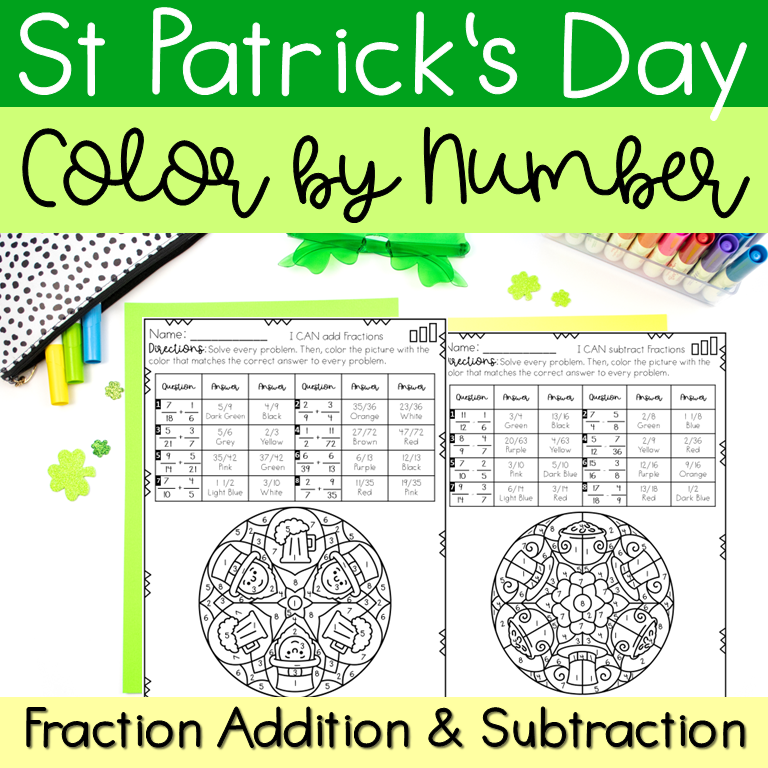
    Saint Patrick’s Day Multidigit Addition Subtraction Multiplication Division Coloring

    Get ready to add a splash of color to your Saint Patrick’s Day math lessons with our Saint Patrick’s Day Multidigit Addition, Subtraction, Multiplication, and Division Coloring activity pack!

    Who says math has to be dull and dreary? With these vibrant worksheets, your 5th-grade students will be diving into a world of mathematical mysteries while discovering their inner artists. Making them able to solve multidigit addition, subtraction, multiplication, and division problems, means to internalize the fraction operations creatively.

    But the fun doesn’t stop there! Not only will they be honing their math skills, but they’ll also be exercising their imagination and attention to detail. With Saint Patricks day math color by number, they’ll be one step closer to discovering the secret treasures hidden within each worksheet.

    So, why settle for ordinary math practice when you can add a splash of Saint Patrick’s Day magic to your lessons? Let’s make math fun, engaging, and unforgettable with these magical worksheets!

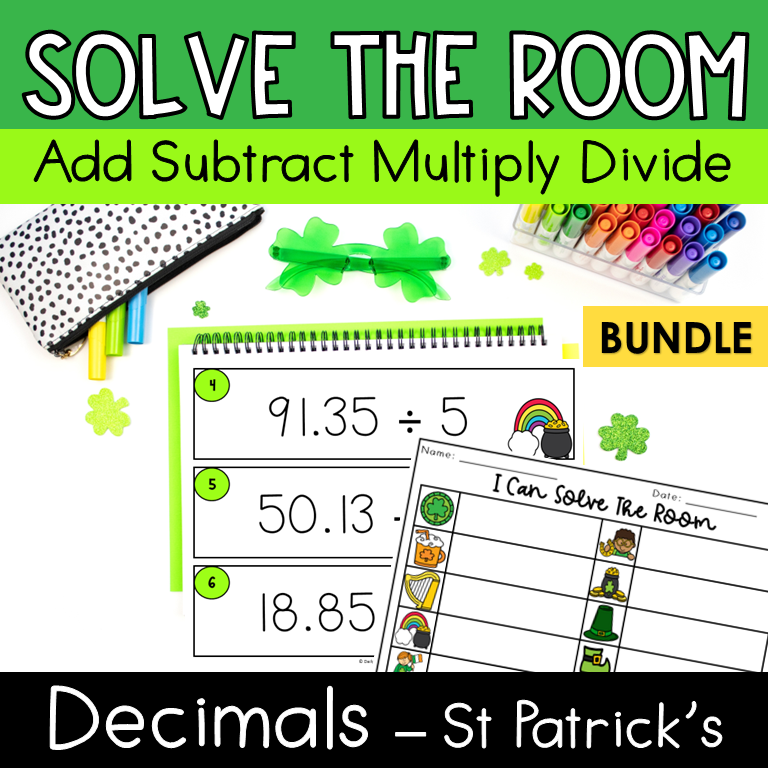
    Saint Patrick Solve The Room Decimal Addition Subtract Multiply Divide Activity

    With Decimal Addition Subtract Multiply Divide Solve The Room Saint Patrick Day Activity, we Call all 5th-grade math detectives—it’s time to put your problem-solving skills to the test in this thrilling, shamrock-filled adventure.

    Not only will they be sharpening your decimal arithmetic skills, but they’ll also be up on their feet, moving from task card to task card like true math adventurers. It’s a dynamic, interactive way to engage with math that’ll have your students buzzing with excitement from start to finish.

    And the best part? As the students crack each code and conquer each challenge, they’ll be one step closer to the ultimate prize—a sense of accomplishment and mastery over decimals that’ll leave them feeling like true math wizards.

    So, are you ready to turn your classroom into a Saint Patrick’s Day math maze? Let’s make learning decimals an unforgettable adventure with our Decimal Addition, Subtraction, Multiplication, and Division Solve The Room St. Patrick’s Day Activity!

    Decimal Addition Subtract Multiply Divide Saint Patrick Day Fun Activities

    Are you feeling excited to make the learning active and more engaging? Here’s the time when the Saint Patricks day math decimal operations worksheet comes into use!

    As the students navigate the room and solve each challenge, they’ll be engaging in active learning, moving, and collaborating with their fellow math adventurers. It’s a dynamic, hands-on approach to math that’ll have them on the edge of their seats and eager to conquer each new challenge.

    And the best part? Not only will they be honing their decimal arithmetic skills, but they’ll also be enriching themselves in the spirit of Saint. Patrick’s Day is surrounded by the magic and mystery of Irish folklore.

    So, are you ready to turn your classroom into a math-filled treasure hunt this St. Patrick’s Day? Let’s make learning decimals an adventure to remember with our Decimal Addition, Subtraction, Multiplication, and Division Saint Patricks day math decimal operations worksheet!

    Saint Patrick’s Day Adding and Subtracting Fractions Word Problems

    Are you looking to make fractions more fun and engaging for your 5th-grade students this Saint Patrick’s Day? Look no further! Our worksheets are designed to turn ordinary fraction practice into an exciting adventure filled with puzzles for word problems to make students excited to search for answers for operations.

    Each worksheet is packed with word problems that will challenge your students to add and subtract fractions while unraveling the mysteries of Saint Patrick’s Day. From dividing up pots of gold to sharing lucky charms with mischievous leprechauns, every problem is a chance for your students to flex their fraction skills in a fun and meaningful way.

    But that’s not all! Our worksheets are also designed to boost critical thinking and problem-solving skills as students decipher word problems and apply their fraction knowledge to find solutions. It’s a fantastic way to reinforce math concepts while immersing your class in the magic of Saint Patrick’s Day.

    So, are you ready Saint patricks day word search activities? Let’s make adding and subtracting fractions a festive and unforgettable experience!

    And there you have it, folks—5 shamrockin’ Saint Patrick’s Day math Fraction operations activities to add a pinch of magic to your classroom festivities!

    Whether you’re counting gold coins, graphing leprechaun preferences, or solving rainbow fractions, these math-tastic adventures are sure to make your celebration unforgettable.

    Want something fun and free to use in your class check this Free Saint Patty’s day activities!

    So, don your greenest attire, grab a handful of lucky charms, and let the math mischief begin! May the luck of the Irish be with you all year round!

  • How to Explain Integers and Their Opposites to Students (Without the Confusion)

    If integers make your students’ eyes roll, you’re not alone. Integers and their opposites, especially negative numbers, can feel abstract and confusing.

    This is where students start mixing up subtraction with “opposites” or struggle to see how positive and negative numbers relate. 

    The good news? With the right visuals and activities, integers don’t have to be this overwhelming. 

    In fact, you can make them click for students in a way that actually sticks.

    1. Start with Real-Life Examples

    The fastest way to make integers feel less intimidating in grade 6 is to ground them in everyday life. A few examples that always land with my students are:

    • Temperature: Show how 10° above zero and 10° below zero represent opposites.
    • Elevation: Compare a mountain peak to a cave below sea level.
    • Money: Talk about having $20 in your bank account versus owing $20.

    The goal here is to make the concept more relatable using the example, so the students can connect faster. 

    You can even ask them to share their own examples, maybe like sports scores or video game points going into the negative.

    Integers and Their Opposites activities and pdf worksheets with number line practice

    2. Use a Number Line for Integers and their Opposites

    A number line is the foundation for understanding integers. You should first focus on making sure students understand integers using a number line. 

    When students see numbers laid out visually, they notice the symmetry: every positive number has a negative counterpart that is at the same distance from zero.

    • Highlight how +5 and -5 “mirror” each other.
    • Reinforce the idea that zero is the center, it’s neutral ground, so its negative is also 0.
    • Use visuals (a giant number line taped on the floor works wonders).

    This method makes integers less of an abstract idea and more of a pattern they can see and interact with. 

    3. Introduce Integer Opposites as “Math Twins”

    Kids love simple, fun language. Try describing opposites as math twins:

    • +3 and -3 are twinssame distance, different sides of zero.
    • Use hand motions: one hand moves right, the other moves left.
    • Have students physically “be the numbers” by standing on either side of a taped zero line in the classroom.

    This builds a physical connection, visualizes the concept and gets them out of their seats (which is always a win).

    4. Make it Interactive (Coloring + Games)

    Here is the thing: students learn best when they do. Practicing is the key to success in math. Bring integers to life with:

    • Coloring activities where each answer reveals a picture.
    • Matching games: pair positives with their opposites.
    • Scavenger hunts: hide cards around the room and let students find “integer pairs.”
    Integers and Their Opposites activities and pdf worksheets with number line practice

    So if you want a ready to use resource that saves you prep time, I created a set of integer activities and coloring worksheets designed exactly for this concept. 

    They turn practice into a fun activity while reinforcing integer opposites in an interactive way.

    Integers and Their Opposites activities and pdf worksheets with number line practice

    5. Common Mistakes Students Make

    Even after a lot of practice and explaining with strong visuals, some misconceptions pop up again and again: Here is a list of a few that I encounter again anad again:

    • Mixing up subtraction with opposites: For this, clarify that “the opposite of +4 is -4,” but “subtracting 4” is a different operation.
    • Thinking zero has an opposite: Reinforce that zero is its own buddy it has no opposite.
    • Believing negatives are always “smaller”: Explain that while -10 is less than -2, the distance from zero tells us size in terms of opposites.

    Take a few minutes to address these early, and you’ll prevent bigger struggles in later concepts.

    6. Wrap It Up 

    Teaching integers doesn’t have to be a headache for you or your students. 

    By combining real-life examples, number lines, and interactive activities, you’ll help students finally see opposites in a way that sticks.

    Want to save yourself even more prep time? 

    Grab my Integers and Their Opposites Coloring Worksheets on TPT. You can even find interactive activities for GCF and LCM here. They’re ready-to-go, fun for students, and designed to make integers simple instead of stressful.

    And if you’d like even more freebies for your math classroom, join my email list, where I share grab-and-go resources like fraction operations for busy math teachers like you.

  • |

    Adding and Subtracting Fractions Color by Number PDF Free with Unlike Denominators

    Summer is finally here and it’s the perfect time to keep your kid’s math skills sharp! If you’re looking for a fun and engaging way to help your students practice adding and subtracting fractions using color by number PDF free with unlike denominators, I’ve got good news for you.

    Adding and Subtracting Fraction Color by Number PDF Free Worksheet

    Teaching fractions can be challenging but it doesn’t have to be. This Color by Number activity makes learning fractions fun and stress-free. Your kiddos will love the vibrant mandalas and the creative twist on boring traditional worksheets. Plus, I think it’s a great way to keep them engaged with math during.

    How it Works?

    This activity is perfect for independent practice, math centers, or homework. Simply print out the worksheets, and let your kids color their way to mastering fractions. The Color by Number format provides instant feedback, so kids can easily see if they’ve got the correct answer. And guess what you can download this activity now for FREE.

    Stay Connected for More!

    For more free resources, teaching tips, and updates, please sign up for my newsletter. By subscribing, you’ll receive access to my free resource library, filled with worksheets, activities, and more to make your teaching life easier. [Sign up here!](link to signup page)

    Happy teaching!

  • | |

    Boost Math Engagement with Fun Fall Themed Interactive Games

    Have you ever found yourself scanning through the room during math class, looking at a mix of bored faces, frustrated sighs, and the occasional doodler?

    I know I have, and we’ve all been there. But the real challenge is making math both fun and educational for kids at the same time.

    This might seem challenging during some teaching days, but what if I told you there’s a way to sprinkle a bit of autumn magic into your math lessons and get those hands eagerly shooting up with answers?

    And yes, that’s possible! The best way to make kids fully involved and ready to solve some problems no matter how hard they are is by using interactive games. 🍂✨

    Enagging Fall addition subtraction multiplication division math powerpoint game activities for 3rd 4th and 5th grade kids

    Use these interactive Fall-themed games in your classroom for small groups during centers or as a whole class activity and see the class engagement soar.

    Here’s Why This Bundle is a Game-Changer:

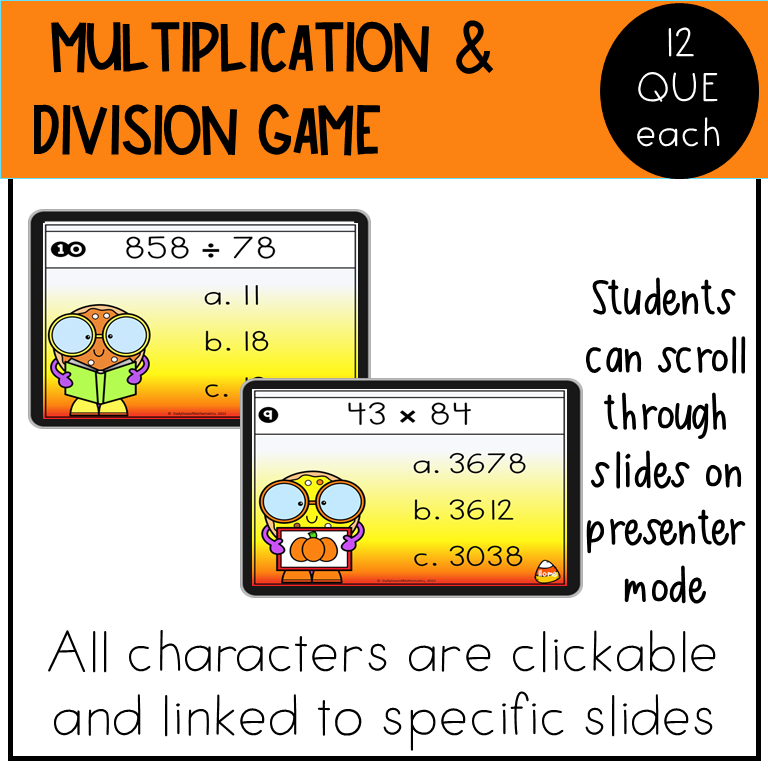
    • Engagement Overload: With a delightful “Pick a Fall Cookie” Game, learning basic operations like addition, subtraction, multiplication, and division isn’t just another math lesson. It’s an experience. One where students eagerly click through questions, challenging themselves and having a blast while at it.
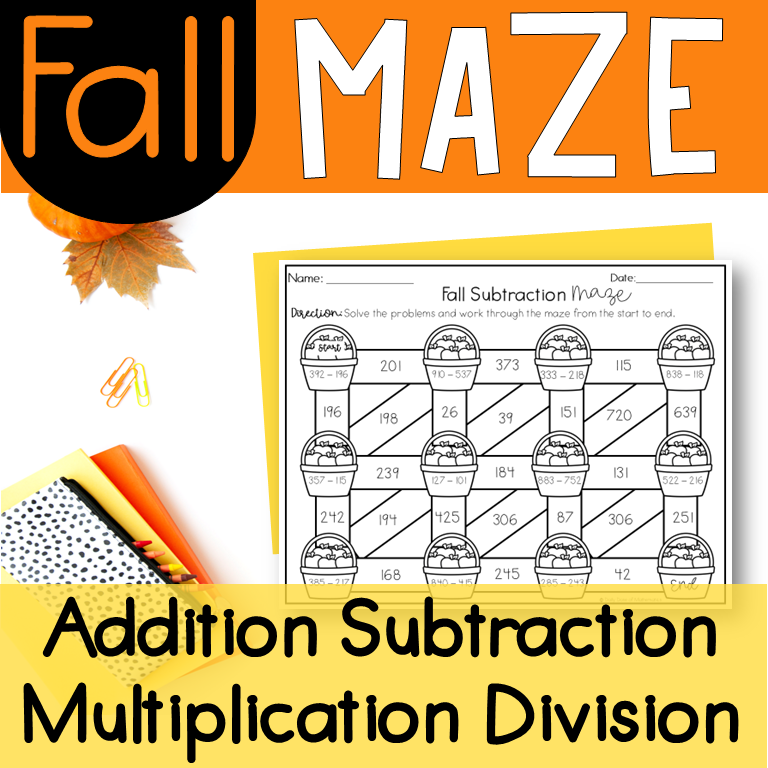
    • Comprehensive Coverage: This bundle isn’t just about practicing a single concept like division. Oh no! Your students will dive deep into 3 digit addition and subtraction with regrouping, tackle 3 by 1 and 2 digit division, and master 2 by 2 digit multiplication. It’s a math smorgasbord!
    • Perfectly Structured: Each game comes with 12 questions, allowing for a full, immersive session without dragging it out. Plus, navigation is a breeze with interactive features like clickable numbers and a handy home button.
    • Versatility: Whether you’re looking to jazz up your math centers, provide engaging activities for early finishers, or differentiate your instruction, this bundle has got you covered.

    What you get:

    Once you get this fall interactive games bundle, you’ll find a series of PowerPoint games designed to keep kids engaged in learning addition, subtraction, multiplication, and division, along with 6 digit number place value practice. The goal? To make math engaging, interactive, and the highlight of your students’ day.

    The main slides have interactive numbers with fun and exciting fall images that students can click on and go to that specific slide to solve. 

    Enagging Fall addition subtraction multiplication division math powerpoint game activities for 3rd 4th and 5th grade kids

    Conclusion:

    So, if you’re ready to transform those groans into grins and make math the highlight of your kid’s day, try these fall addition, subtraction, multiplication, division and place value bundle and see your kid’s engagement and confidence soar.🍁📖🍪

    Try these math fraction activities if you want more fun and excitement in your classroom.

    Want to get free stuff sent straight to your inbox?

    Sign up below to get access to Free Resource Center!

  • | | |

    Fun and Engaging Digital Halloween Math Activities for 3rd 4th and 5th Grade

    Looking for some Fun and engaging Halloween math activities to keep your kids busy? Try out these “PICK A WITCH” Digital Game activities with your class and see their excitement skyrocket.

    This resource is an interactive digital game which you can use to review or assess your kids place value understanding during their centers time or as a whole class activity.

    Halloween math activities for 3rd 4th and 5th grade kids

    Here is how the Game Works:

    “PICK A WITCH” Game activity is designed to help your kids practice and review the place value of larger numbers like 6 digits in a fun and engaging way.

    The resource is a compressed file that unzips to a PowerPoint Activity. The Game activity has 12 question slides and 1 main i.e. “PICK A WITCH” slide.

    Display the main slide on the projector and divide your kids into 2 teams. Now tell them to pick a number. The number that they pick you have to click on it to display the question. Once the kids see the question he or she has to answer the question.

    Halloween math activities for 3rd 4th and 5th grade kids

    You can also award 5 score points to every right answer. Once all the questions have been answered by kids. You can add all their scores and announce which team has won.

    All the numbers from 1 to 12 on the first slide are clickable and linked to that specific question number slide. There is a Home button on every question slide to access the main Questions slide which makes it an interactive and super fun game that kids enjoy.

    The 12 questions allow you to complete the activity in one go with your class. But it only uses 6 digit numbers. You can use it for fast finishers or as centers digital activity.

    Halloween math activities for 3rd 4th and 5th grade kids

    Oh and just in case if you are looking for a fun and engaging activity to to teach decimals this week, check out Free adding and subtracting decimals activities 5th grade.

    Want more join in for some Insider Fun!