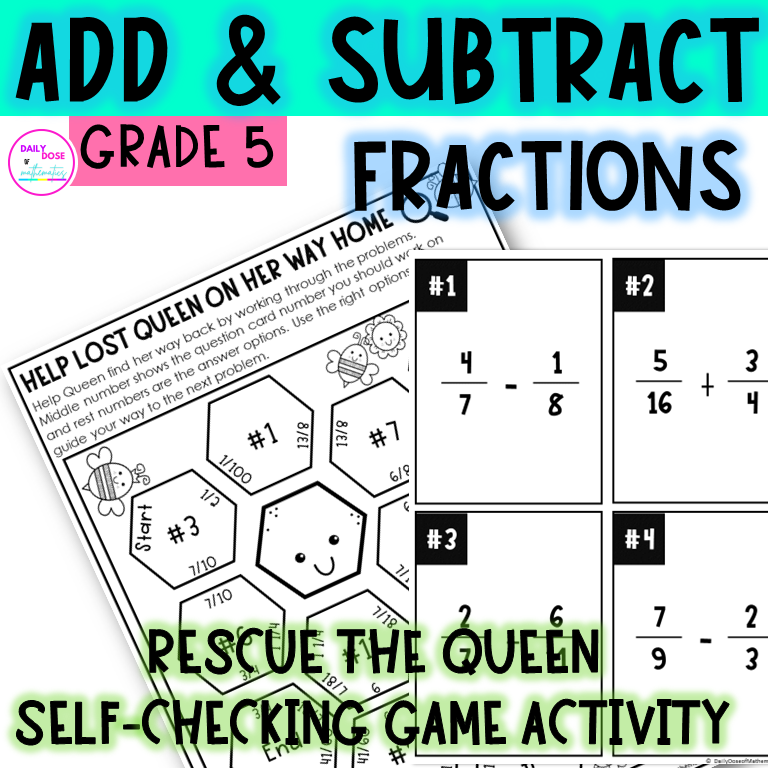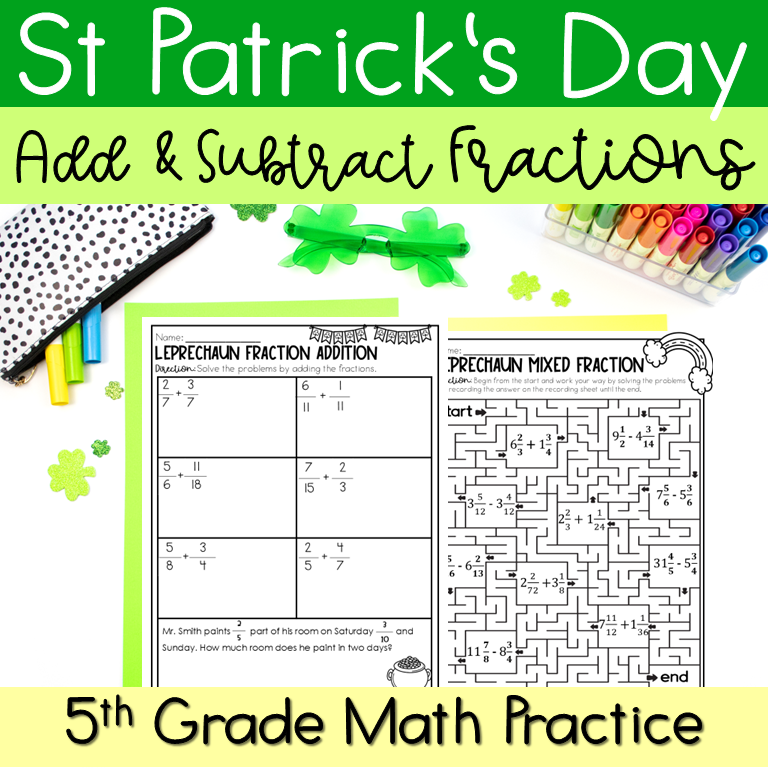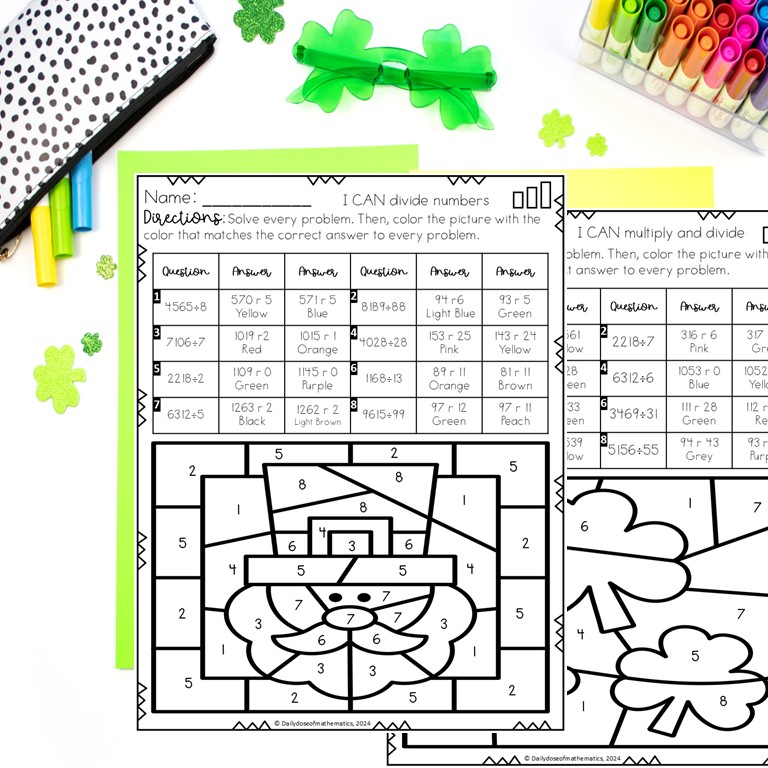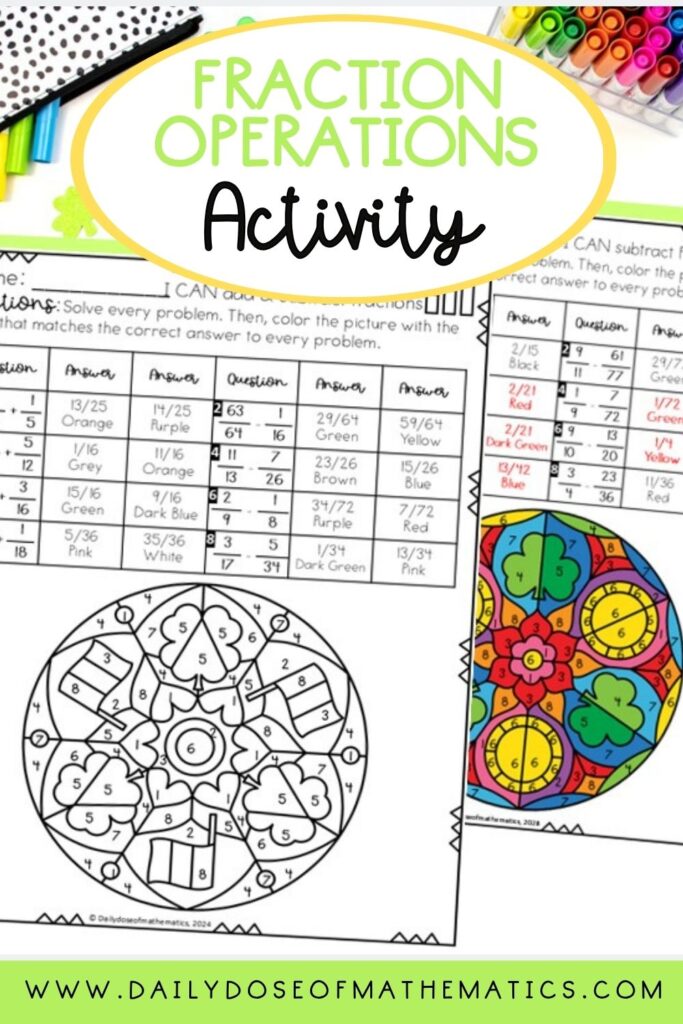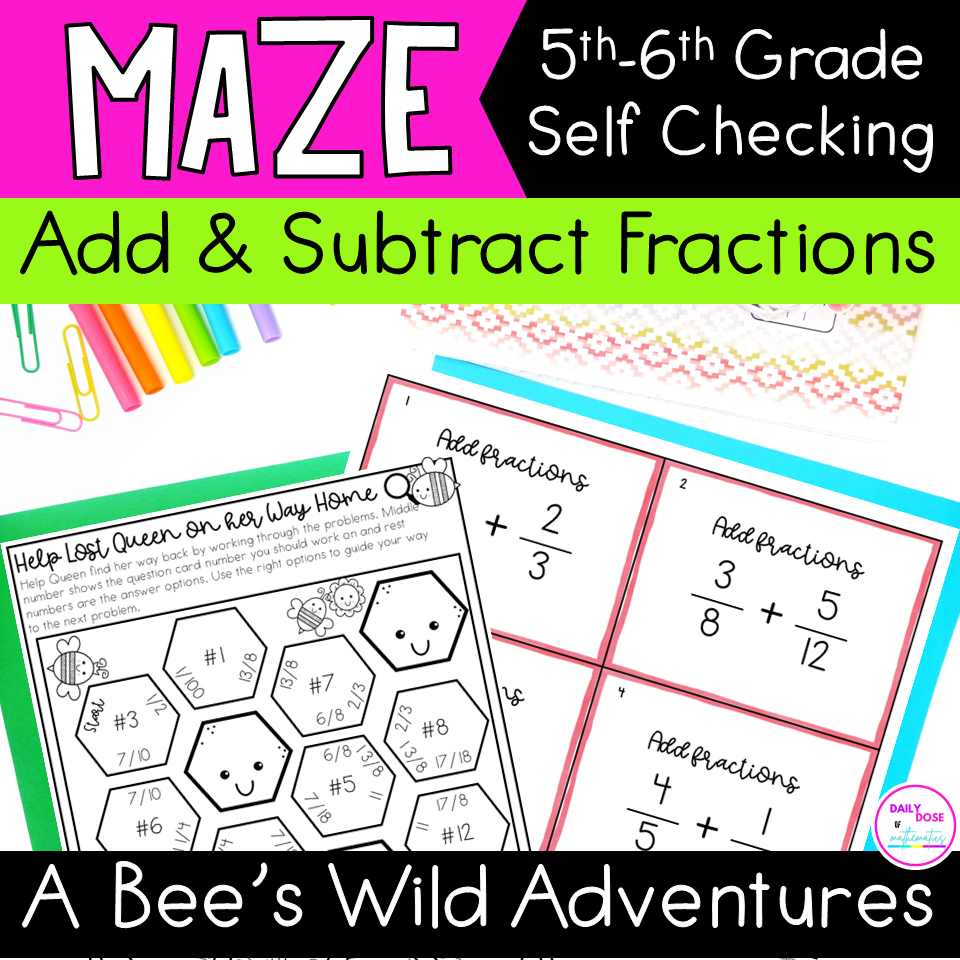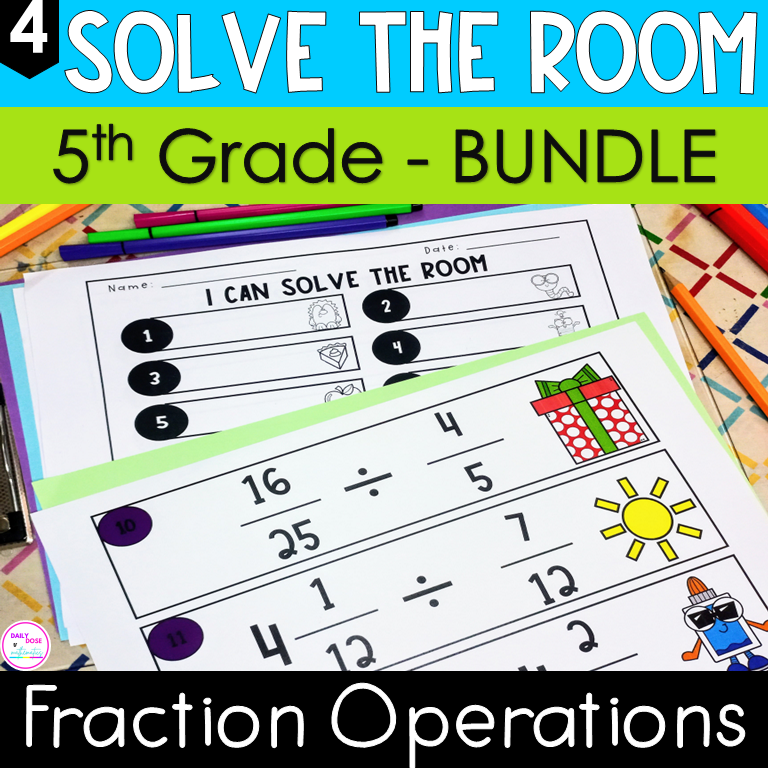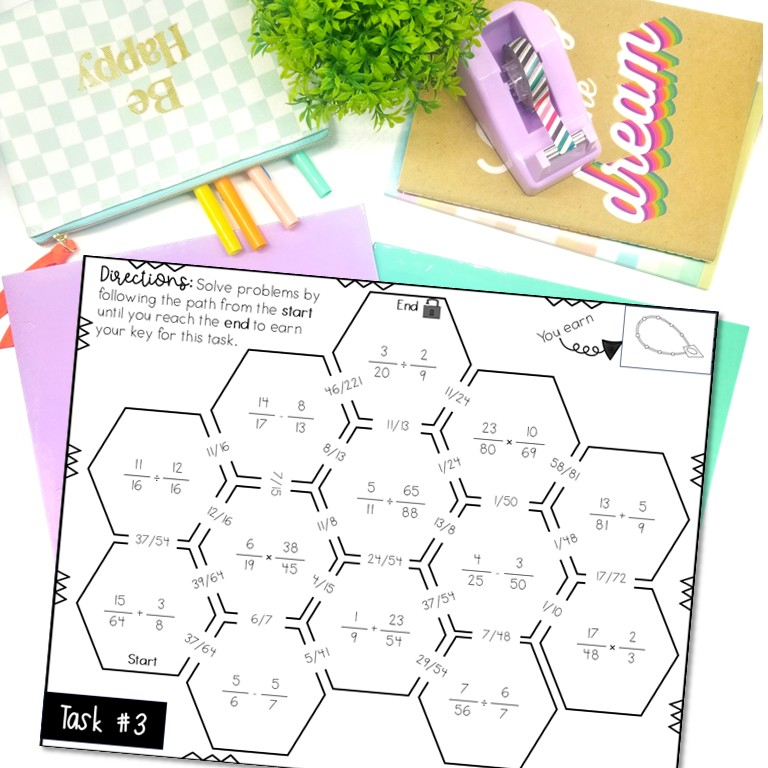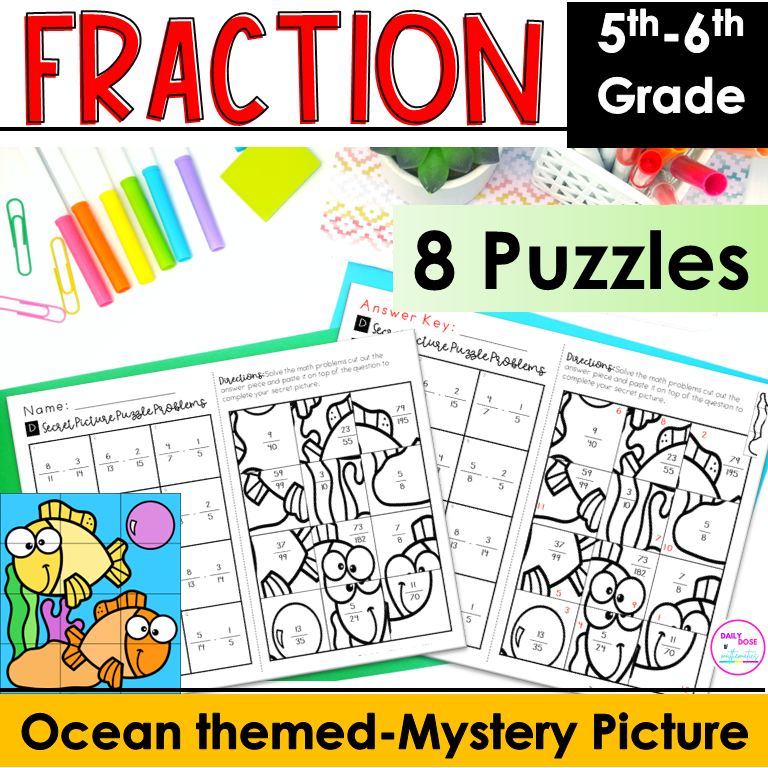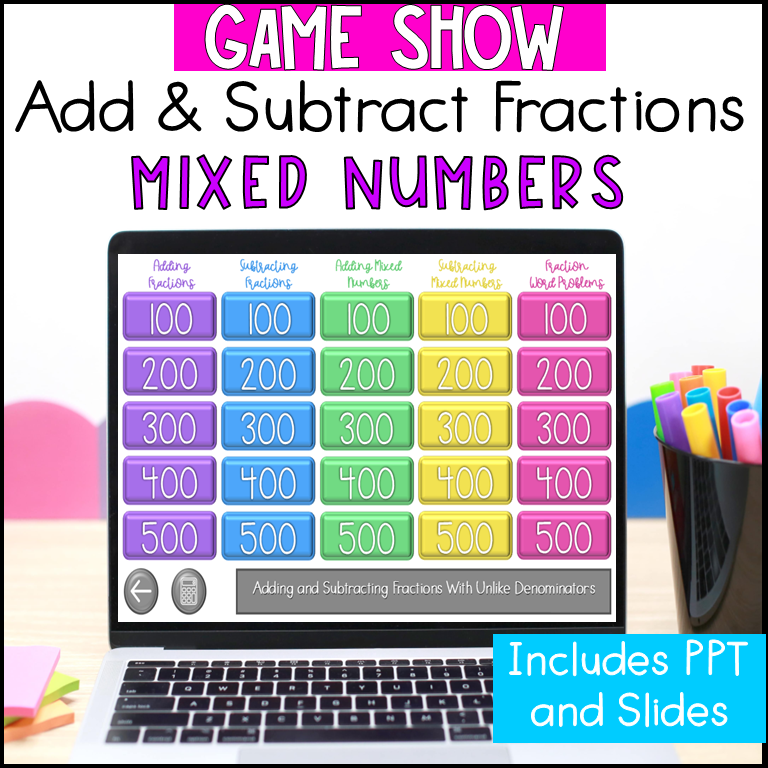
Fraction 5th grade word problems math coloring activities

5th Grade Fraction Word Problems That Build Real Understanding

Teaching fraction word problems in 5th grade can feel frustrating for you and your students.

You spend time teaching the skills. Students can add, subtract, multiply… maybe even divide fractions just fine.

But the second those same skills show up in a word problem? Everyone in your class feel like what is this!

Students just freeze, start guessing, or pick the wrong operation, and suddenly it feels like you’re starting from scratch all over again.

That’s because fraction word problems require a completely different level of thinking.

It’s not just about doing the math anymore. Students have to read carefully, figure out what the problem is actually asking, choose the right operation, and solve it step by step.
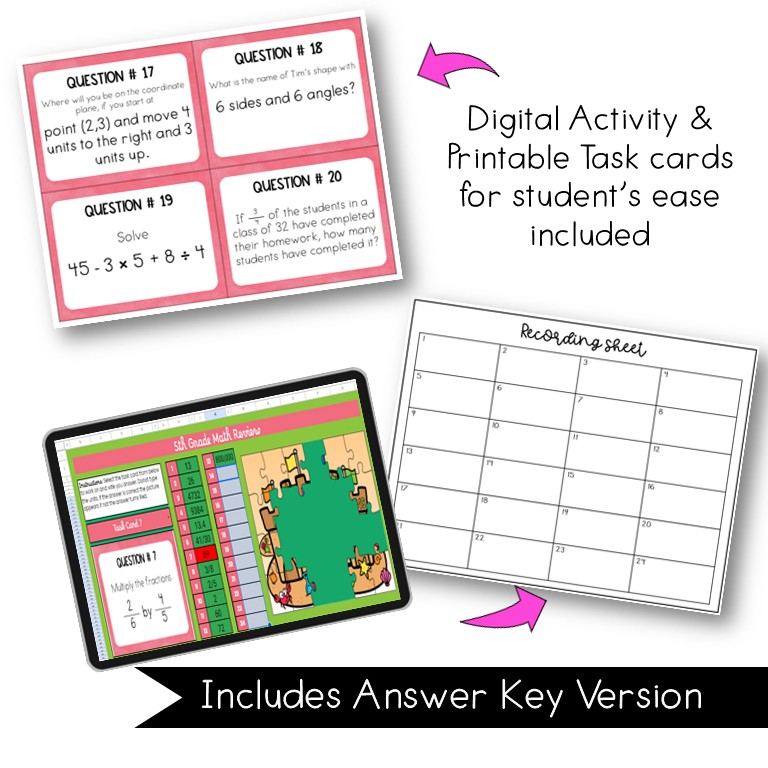
Fraction 5th grade word problems math coloring activities

And for a lot of students, especially now a days… that’s a lot to juggle at once.

The good news is that with the right strategies and a few engaging activities, students can build confidence and start approaching word problems with a lot less frustration.

In this post, you’ll find practical strategies, classroom-tested ideas, and simple activities to help your students actually understand and solve fraction word problems.

Why Students Struggle with Fraction Word Problems

Before jumping into activities, it helps to understand why this is so challenging in the first place.

Because it’s usually not just one issue it’s a combination of things happening all at once.

When students work through fraction word problems, they need to:

  • understand what the problem is actually asking
  • decide which operation to use
  • work through multiple steps without losing track
  • and connect the math to a real-world situation

That’s a lot of thinking just to solve one math problem.

One of the biggest issues is that students often try to jump straight into solving without fully understanding the question. They see numbers and immediately start calculating without stopping to think about what those numbers represent.

Add in reading comprehension challenges and today’s focus and attention spans, and it gets even harder.

At that point, it’s not just a math problem anymore it’s reading, reasoning, and problem-solving all combined into one.

That’s why students who can handle computation just fine still struggle here.

Engaging Fraction Word Problem Activities

Now let’s bring this to life with activities that actually work in a real classroom. Because at the end of the day, students don’t get better at word problems just by seeing more of them they need different ways to interact with the math.

1. Recipe-Based Problems

This is one of the easiest ways to make fraction word problems feel real. Instead of abstract numbers, students are working with something they understand food.

Students might:

  • double or halve ingredients
  • combine fractions while cooking
  • figure out how much of something is needed

And suddenly, the math has a purpose.

This is especially helpful for teaching multiplication and division of fractions, because students can actually visualize what’s happening.

2. Measurement & Real-Life Scenarios

Another effective approach is using real-world measurement contexts.

Think length and distance, weight and volume, time and rates. These types of problems help students see how fractions show up in everyday life not just on a worksheet.

And when students understand why they’re solving a problem, they’re much more likely to stay engaged.

3. Comparison & Estimation Tasks

This is an area that often gets skipped but it makes a big difference. Before solving, students should be thinking: “Does this answer even make sense?”. With these types of activities, students learn to:

  • compare fractions
  • estimate reasonable answers
  • explain why something is larger or smaller

This is helpful to build number sense, which helps reduce careless mistakes and improves their confidence.

These can also be used during fraction centers or fraction games.

Structured Fraction Word Problem Practice

If you’ve ever felt like your students are overwhelmed by word problems, it’s usually because they’re being asked to do too much at once.

One of the most effective ways to fix this is by breaking practice into clear, focused stages. Instead of mixing every skill together right away, build confidence one step at a time.

Adding & Subtracting Fraction Word Problems

This is the best place to start. Students can focus on understanding the structure of word problems without also worrying about more complex operations.

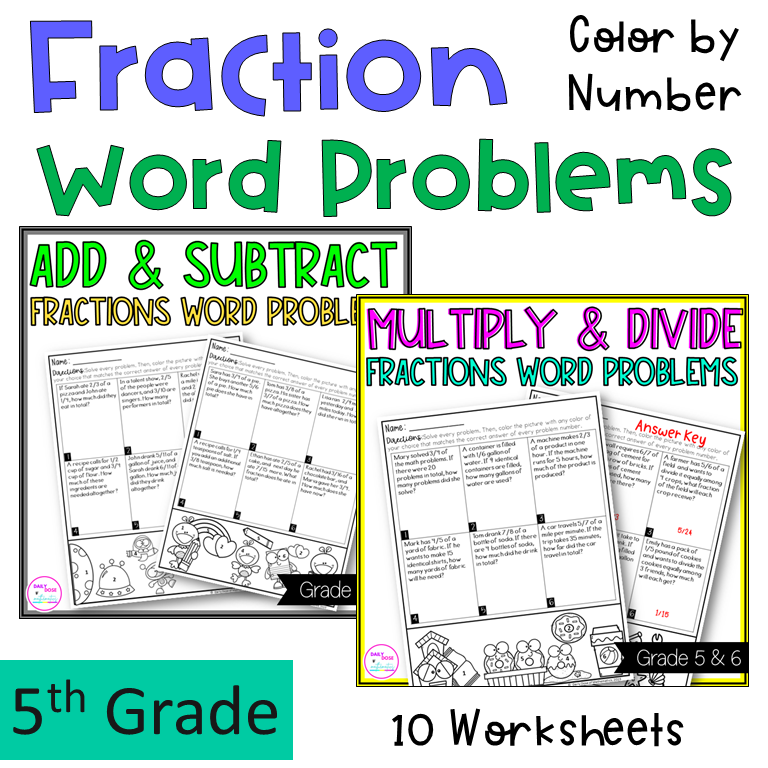
Using engaging formats like color-by-number activities can make a big difference here. Students:

  • solve fraction word problems
  • match answers to colors
  • see a visual result as they work

This keeps them focused longer and gives them immediate feedback, which helps build confidence. This works really well for independent practice, math centers, early finishers.
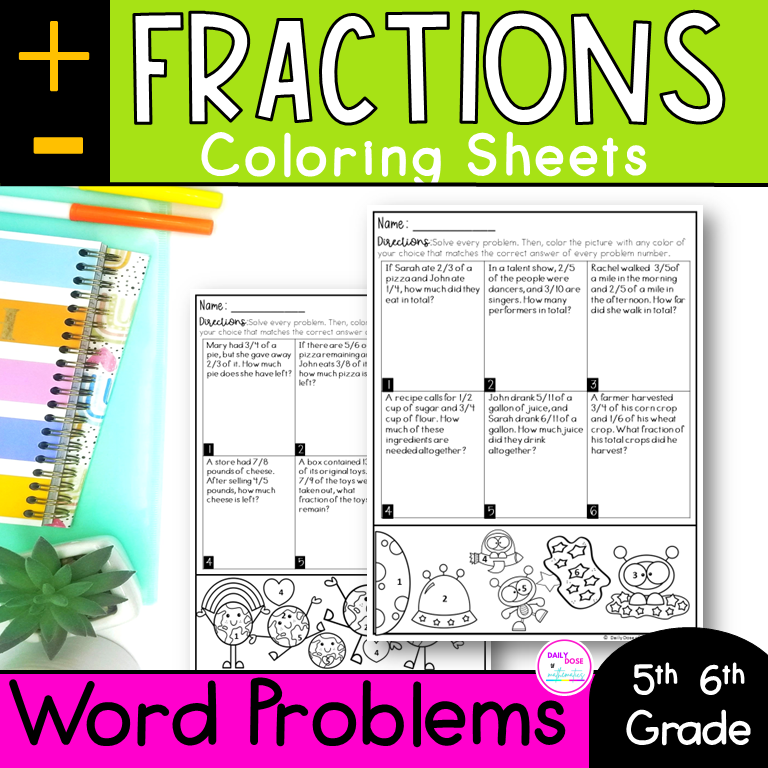
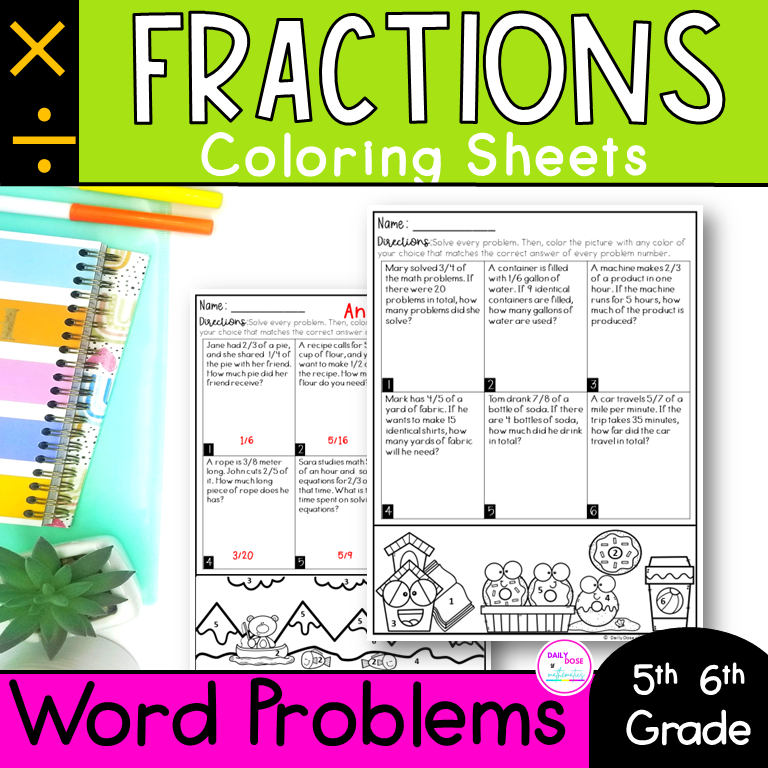
5th grade math fractions word problems coloring

Multiplying & Dividing Fraction Word Problems

Once students are more confident, you can move into more complex problems. This is where things start to feel more “real-world.” Students need to:

  • interpret situations carefully
  • decide when to multiply or divide
  • work through multi-step problems

These often include scenarios like scaling recipes, dividing quantities, or comparing amounts, which helps students apply their understanding in meaningful ways. These are great for:

  • small group instruction
  • guided practice
  • test prep
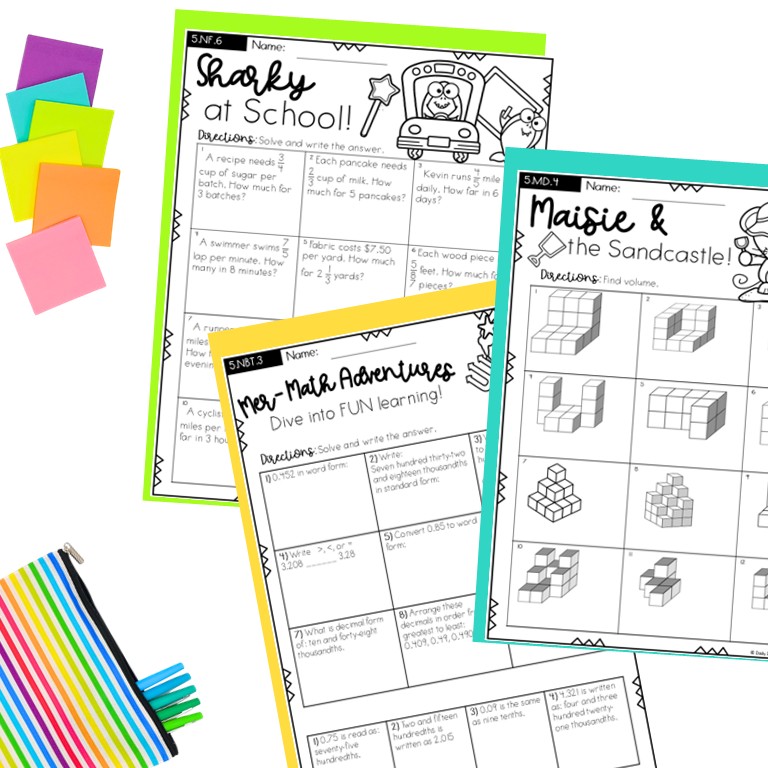
Multiplying and Dividing Fractions Word Problems Printable PDF

If you want to take this a step further, you can also set up these activities as rotating stations. Here’s how to run fraction centers in your classroom. Check out this post on 5th grade fraction centers that actually work.

I’ve put together a full list of activities you can use throughout your unit: 5th Grade Fraction Activities.

Similar Posts

  • 5th Grade Fraction Games That Keep Students Active

    Teaching fractions can feel like a constant battle, especially once students start losing interest halfway through practice.

    You start the lesson strong, everyone’s with you… and then suddenly the energy drops. Students get frustrated, attention drifts, and it turns into “just finish the worksheet” mode.

    Sound familiar? That’s where fraction games can make a huge difference.

    When used the right way, games aren’t just something extra to fill time. They’re one of the most effective ways to keep students engaged while still building real understanding.

    Instead of repeating the same types of problems, students are actively solving, thinking, and interacting with the math in a way that actually sticks.

    And the best part? They don’t even realize how much practice they’re getting.

    5th Grade fraction games with unlike denominators

    In this post, you’ll find classroom-tested fraction games that are fun, engaging, and actually work whether you’re introducing a new concept, reinforcing skills, or reviewing before a test.

    Types of Fraction Games That Actually Work

    Not all fraction games are created equal.

    Some are fun… but don’t really build understanding. Others feel like just another worksheet with a “game” label slapped on top.

    The games that actually work are the ones that get students thinking, solving, and engaging with the math in a meaningful way.

    Instead of just repeating problems, students are:

    • making decisions
    • explaining their thinking
    • and actively working through concepts

    That’s where the real learning happens.

    The goal isn’t just to keep students busy it’s to give them practice that actually sticks.

    Below are some of the most effective types of fraction games you can use in your classroom, based on what consistently works with 5th graders.

    Fraction Escape Room

    Escape room activities are one of those things students get instantly excited about.

    The second you mention “escape room,” the energy in the room changes and suddenly even your more reluctant learners are all in.

    Fraction Operations Escape Room Puzzle for math centers 5th grade

    Here’s how it works:

    Students move through a series of fraction problems, and each correct answer helps them “unlock” a clue or move to the next step. Everything builds toward a final goal, which keeps them focused the entire time.

    What makes this format so effective is that it doesn’t feel like typical practice.

    Students are:

    • solving multi-step fraction problems
    • working together in teams
    • thinking critically about each step
    • and staying engaged because there’s a clear goal to reach

    There’s also a natural sense of urgency, which keeps students on task in a way that’s hard to replicate with traditional activities.

    And because the problems are connected, students can’t just guess and move on they actually have to think through what they’re doing.

    This makes escape rooms one of the most effective ways to review multiple fraction skills at once, especially before a test or at the end of a unit.

    If you want to take this a step further, you can also set up these activities as rotating stations. Here’s how to run fraction centers in your classroom. Check out this post on 5th grade fraction centers that actually work.

    Build-and-Play Fraction Crafts

    This is where things really start to get exciting for students. Instead of just solving problems and moving on, they’re actually building something as they go and that changes everything.

    Here’s how it works:

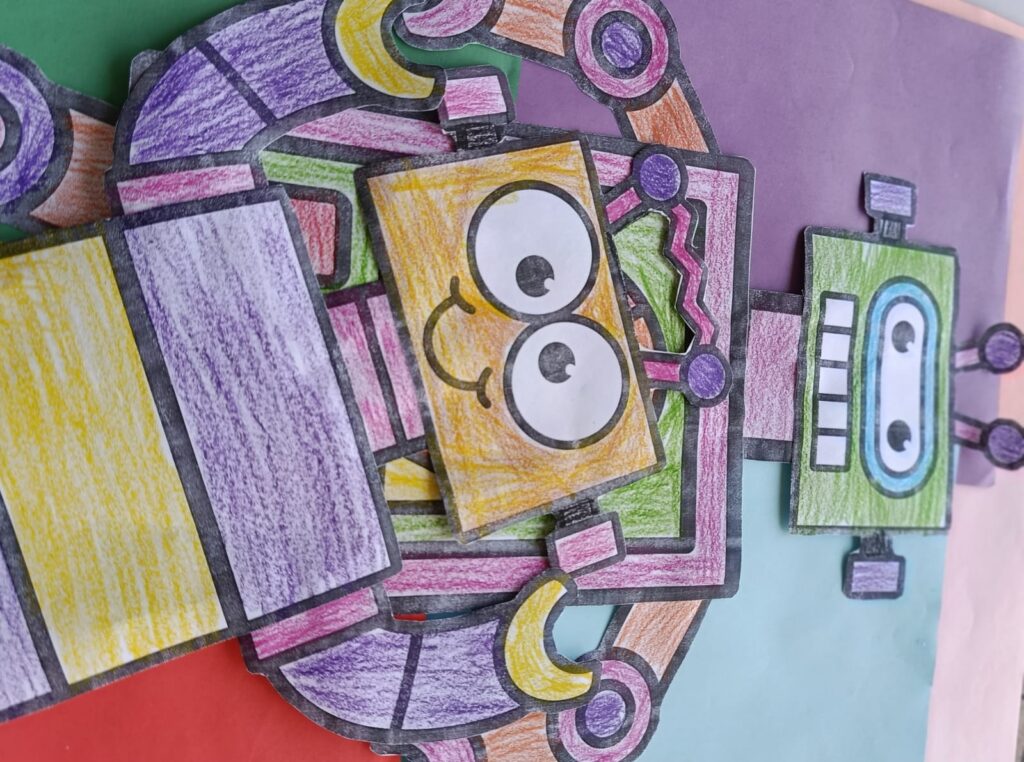
    Students solve fraction problems, and each correct answer earns them a piece of their robot. Step by step, they start to see their work come together into a finished project.

    And honestly… they get really into it.

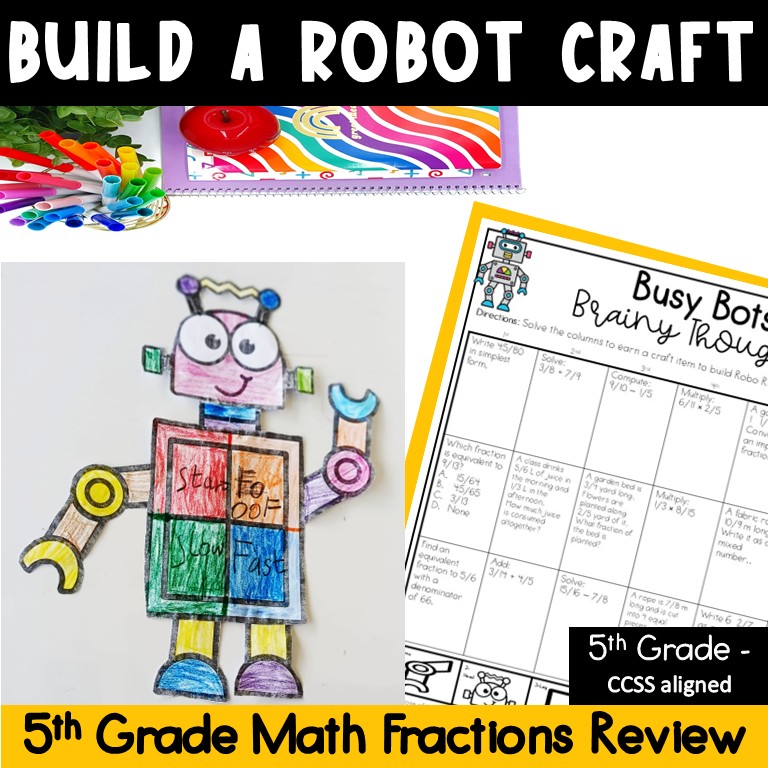
    5th grade unlike fractions and mixed numbers practice math craft for fun learning

    Students:

    • solve fraction questions
    • use their answers to build and assemble a robot
    • see their progress visually as they go

    That visual progress is what makes this so powerful.

    Instead of feeling like endless practice, it feels like they’re working toward something. They want to keep going so they can finish their robot fraction craft, and in the process, they’re getting a ton of meaningful math practice.

    This creates a strong connection between effort and outcome, which is huge for both motivation and understanding. It’s especially helpful for students who tend to check out during traditional practice, because it gives them a reason to stay engaged.

    Game Show Fraction Games

    This is easily one of the most exciting ways to get the whole class involved.

    The second you turn a lesson into a game show, everyone gets involved. Students are paying attention, participating, and actually wanting to answer questions.

    Instead of working quietly on their own, they’re part of a team, which adds just enough competition to keep things fun without overwhelming anyone.

    5th grade unlike fractions and mixed numbers practice math gameshow

    Here’s how it works:

    Students are grouped into teams and take turns answering fraction questions. You can run it like a quiz game, a points-based competition, or even something simple with rounds and bonus questions.

    Students:

    • compete in teams
    • explain their thinking out loud
    • stay actively involved (even when it’s not their turn)
    • build confidence as they participate

    One of the best parts is that students get to hear different ways of solving the same problem, which helps deepen their understanding.

    And because it feels like a game, even students who are usually hesitant to participate are more willing to jump in. This makes it perfect for review days, test prep, or anytime you need a quick boost in engagement.

    Not all students learn at the same pace and that’s okay.

    For struggling students you can use smaller numbers, provide visual supports, or even focus on one skill at a time.

    For advanced students, you have to include multi-step problems, add word problems, and require them to explain their thinking. The same activity can work for everyone with small adjustments.

    Looking for even more ideas beyond games? I’ve put together a full list of activities you can use throughout your unit: 5th Grade Fraction Activities.
    Fraction games don’t just make math more fun they make it more effective.

    When students are engaged, they practice more. And when they practice more, they understand better.

    By using a mix of engaging formats like escape rooms, hands-on builds, and game show activities, you can turn fraction lessons into something your students actually look forward to.

    You can also explore a full breakdown of math activities for the entire year here: 5th Grade Math Activities Guide

  • 5th Grade Fraction Centers That Actually Work (Easy Setup + Engaging Ideas)

    Struggling to keep your students engaged during fraction lessons? Yeah… you’re definitely not alone.

    Fractions are one of those topics that can either click or completely lose students. And when you’re trying to teach multiple skills at once (adding, subtracting, mixed numbers, word problems…), it can start to feel overwhelming fast.

    That’s where fraction centers can make a huge difference.

    Instead of relying on whole-class instruction all the time, centers give students the chance to work at their level, stay actively involved, and actually understand what they’re doing not just go through the motions.

    And the best part? Once you have a system in place, they make your math block run so much smoother.

    In this post, you’ll find simple, classroom-tested fraction center ideas plus an easy setup you can use without adding more stress to your day.

    WHAT ARE FRACTION CENTERS?

    Fraction centers are small-group activities where students rotate through different stations, each focused on a specific fraction skill.

    Instead of everyone doing the same worksheet at the same time, students move through a variety of activities that give them different ways to practice.

    During centers, students:

    • work at their own pace
    • engage in different types of learning (hands-on, written, movement, etc.)
    • and practice the same skill in multiple ways

    This variety is what makes centers so effective. Because it helps students stay more engaged and they actually retain what they’re learning.

    5th Grade unlike Fraction Centers

    WHY FRACTION CENTERS WORK SO WELL

    Fraction centers are especially powerful because they break learning into manageable pieces.

    Instead of trying to teach everything at once, you’re giving students focused practice in smaller chunks which makes a big difference with a topic like fractions.

    They also make differentiation much easier. You can adjust the level of difficulty at each center without having to create completely separate lessons for every group.

    Plus, they naturally keep students more engaged because:

    • they’re moving
    • they’re working with different formats
    • and they’re not stuck doing the same thing the entire time

    And while students are working independently, you get something just as valuable: Time.

    Tiime to pull small groups and give targeted support where it’s actually needed.

    HOW TO SET UP FRACTION CENTERS

    It is simple… and honestly it should not be anything more than that. You do NOT need a complicated system to make this work.

    In fact, the simpler the better. Here’s an easy setup you can use right away:

    Step 1: Divide your class into small groups
    Aim for about 3–5 students per group so everyone stays involved.

    Step 2: Create 3–4 centers
    Each center should focus on just ONE skill to keep things clear and manageable.

    For example:

    • adding fractions
    • subtracting fractions
    • working with mixed numbers
    • solving word problems

    Step 3: Set a rotation schedule
    10–15 minutes per center works really well for most classrooms. Keep it consistent so students know what to expect.

    Step 4: Use recording sheets
    This is key. It keeps students accountable, helps you check understanding, and prevents that “chaos center energy” we’ve all experienced

    Once you run centers a few times, the routine becomes second nature and everything runs much more smoothly.

    BEST FRACTION CENTER IDEAS:

    1. Fraction Task Cards Center

    This is your foundation center the one you can rely on every time.

    Students work through fraction problems, record their answers, and check their work.

    It’s simple, but it works because it gives students consistent, focused practice.

    If you want to save time, using a structured fraction review resource here can make setup quick while still giving students meaningful practice.

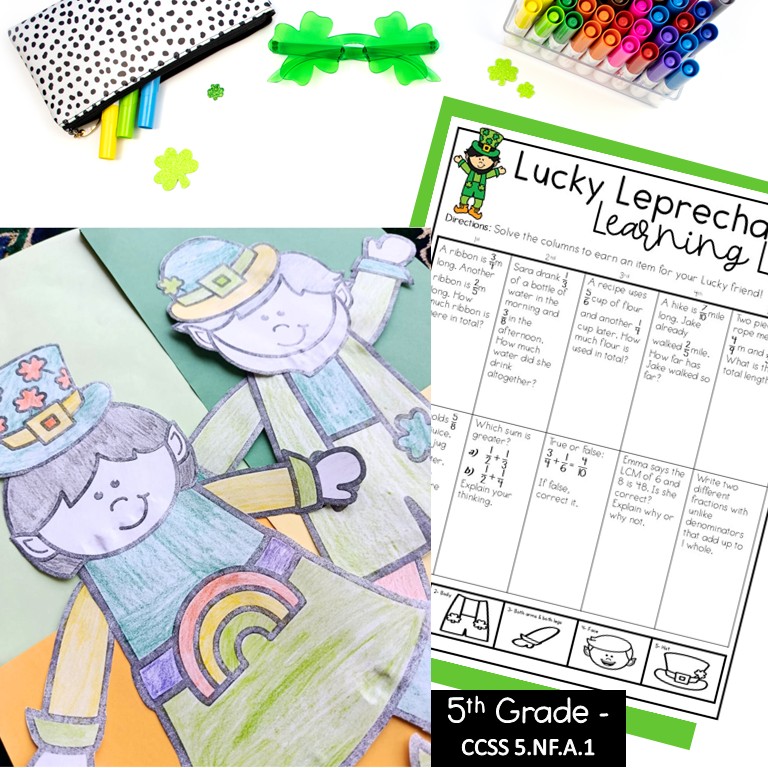
    2. Hands-On Fraction Craft Center

    This is where things get fun and where engagement really spikes. Instead of just solving problems, students use their answers to build something (like a craft or visual project).

    They’re still doing the math… but it doesn’t feel like “just another assignment.” This is huge for motivation, especially for students who usually check out during math.

    5th grade unlike fractions math crafts hands-on practice

    One of the easiest ways to run this center is with a math craft activity where students solve step-by-step and create a final product they’re actually proud of.

    The best part… You can display their crafts in the hallway or classroom bulletin board to encourage their hard work.

    Looking for even more ideas beyond centers? I’ve put together a full list of fraction games you can use throughout your unit: 5th grade math fraction games

    3. Fraction Word Problem Center

    This is your deeper thinking center. Students apply what they’ve learned to real-world problems, which helps move them beyond basic computation.

    You can include:

    • recipe-style problems
    • measurement scenarios
    • multi-step challenges
    5th grade math fractions word problems coloring

    This one will help you see where each student stands in terms of their conceptual understanding of the topic.

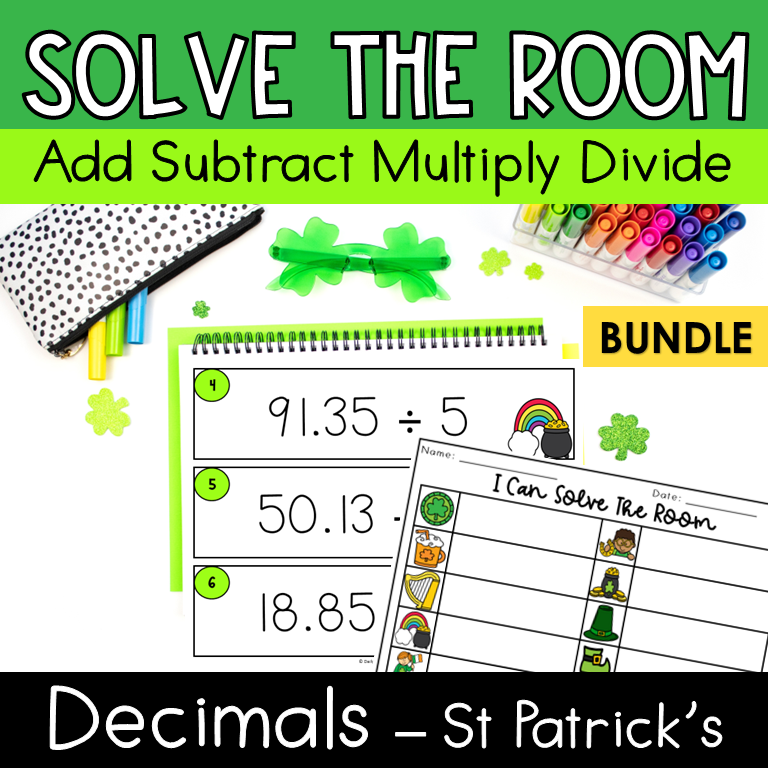
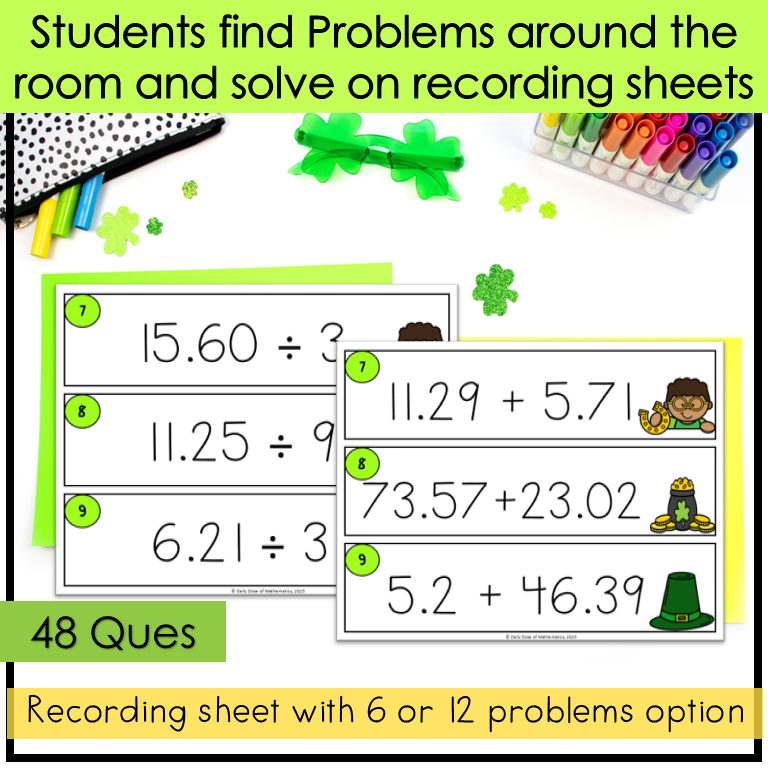
    4. Movement-Based Center

    This is a lifesaver during long math blocks. Students move around the room solving posted problems, which keeps energy up and engagement high.

    Adding and subtracting fractions with unlike denominator activity

    Perfect for those students who just can’t sit still. And honestly… by this point in the year, that’s most of them.

    You can also include fraction word problems as part of your centers.

    5. Independent Practice Center

    Low prep but high engagement. The one thing we as teachers all need.

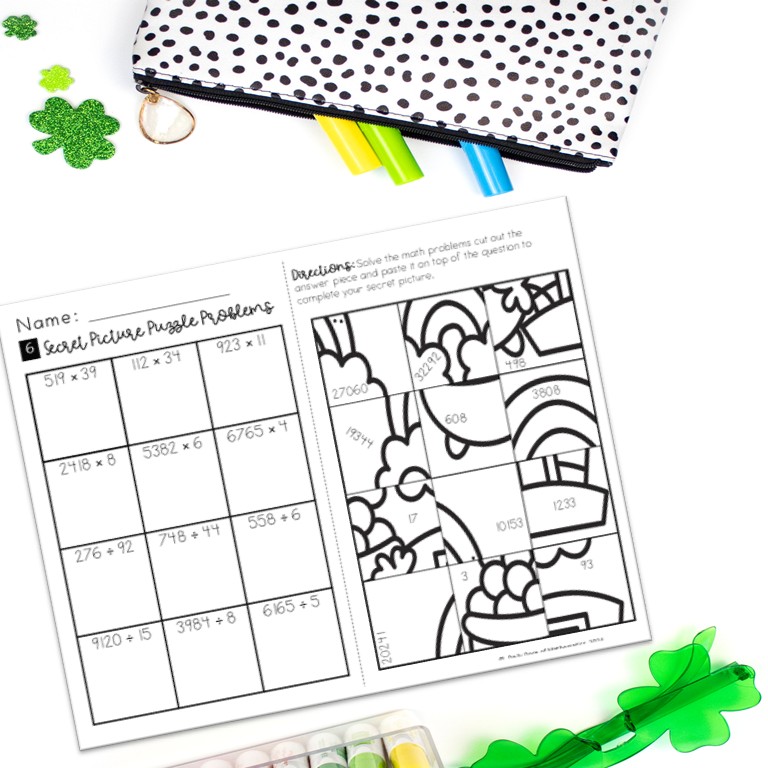
    In this center, students solve fraction problems and color based on their answers. It’s simple, but it keeps students focused longer than a traditional worksheet.

    Adding and Subtracting Fractions CBN

    Great for:

    • early finishers
    • independent rotations
    • quieter work time

    6. Digital Fraction Center (Optional)

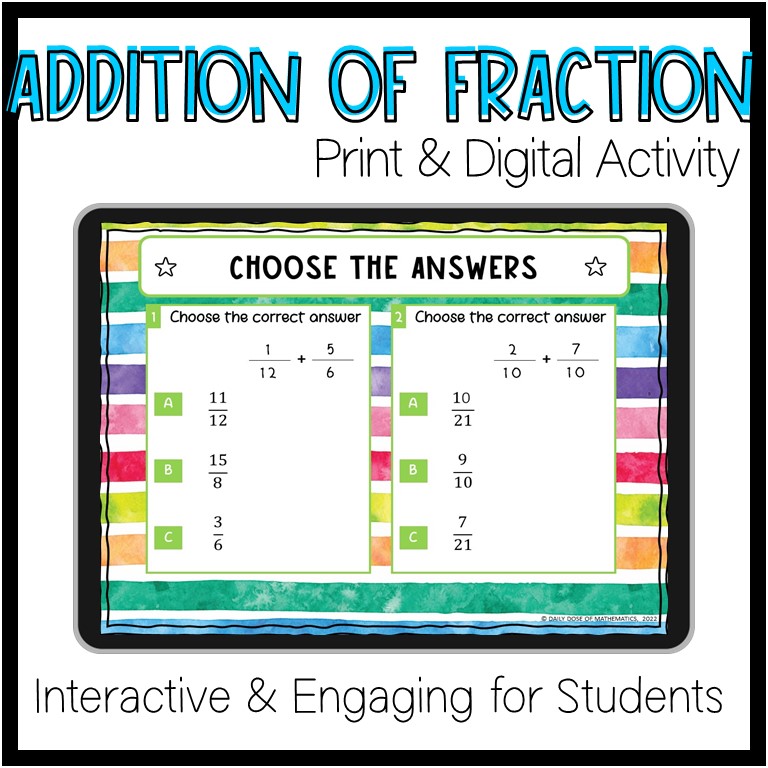
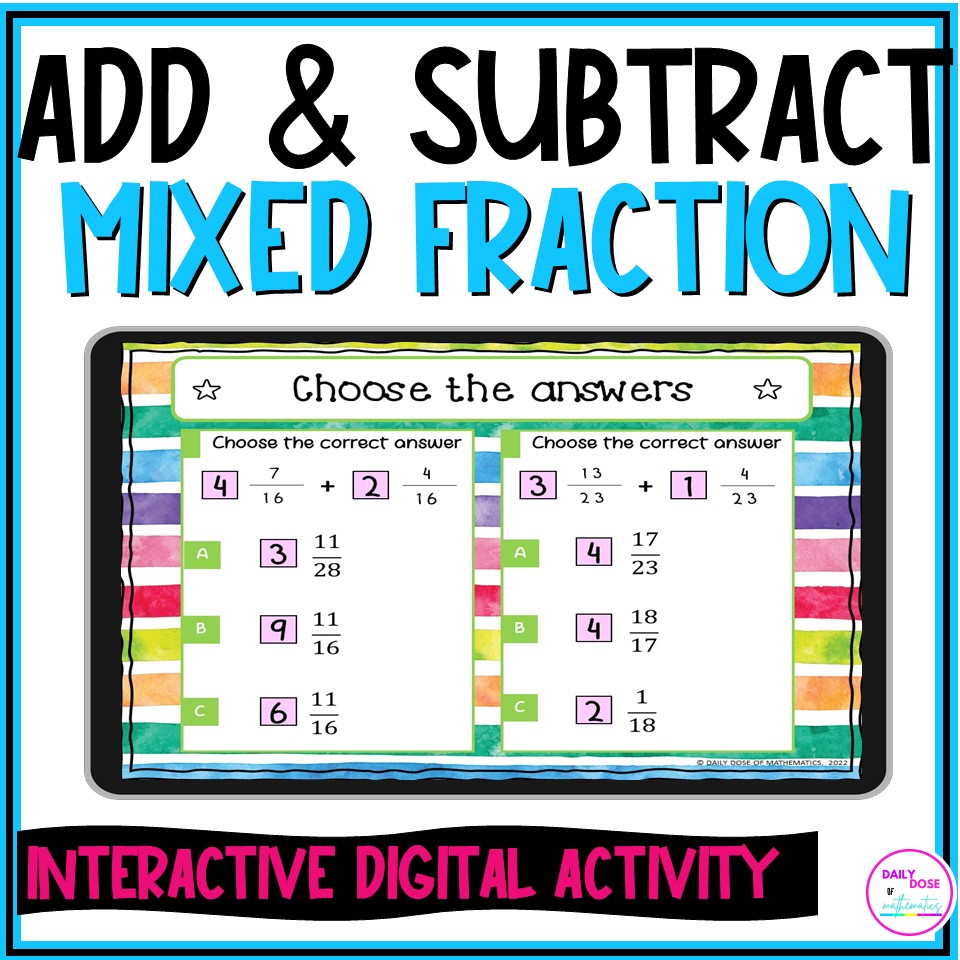
    If you have access to devices, this is a great addition. Assign the digital activities to a group of students and see them engaged like never before. It’s an easy way to differentiate without extra prep.

    Students can:

    • complete Google Slides or sheets activities
    • work through self-checking tasks
    • get instant feedback

    Here is a list of ones that can help your students with the extra practice they need.

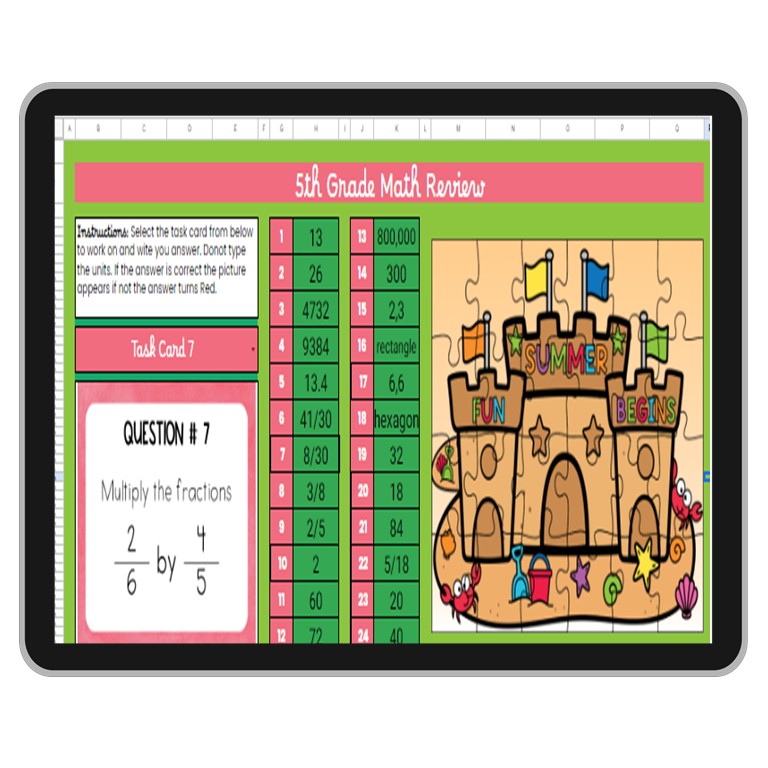
    digital unlike fractions center 5th grade

    HOW TO DIFFERENTIATE YOUR CENTERS

    Not all students are working at the same level and that’s exactly why centers are so effective.

    You can keep the structure the same while adjusting the level of support.

    For struggling students you might want to include visual models, simplify the numbers or steps, focus on one operation at a time

    For more advanced students you can add multi-step problems, include more word problems or require written explanations. Same centers just adjusted to meet students where they are.

    If you’re looking for more ways to teach fractions beyond centers, you can check out this full list of ideas here: Your Fraction Activities Post Link

    Fraction centers can completely change how your math block feels.

    Instead of dealing with:

    • bored students
    • constant interruptions
    • and repetitive worksheets

    You get:

    • more engaged learners
    • stronger understanding
    • and a classroom that actually runs smoothly

    Start simple. You don’t need to do everything at once. Pick a few centers, get your routine in place, and build from there.

    Once students know what to expect, everything becomes easier for them and for you.

    Looking for a full list of engaging fraction activities? Check out this guide here: Fractions activities for fun in 5th grade.