5th Grade Fraction Centers That Actually Work (Easy Setup + Engaging Ideas)
Struggling to keep your students engaged during fraction lessons? Yeah… you’re definitely not alone.
Fractions are one of those topics that can either click or completely lose students. And when you’re trying to teach multiple skills at once (adding, subtracting, mixed numbers, word problems…), it can start to feel overwhelming fast.
That’s where fraction centers can make a huge difference.
Instead of relying on whole-class instruction all the time, centers give students the chance to work at their level, stay actively involved, and actually understand what they’re doing not just go through the motions.
And the best part? Once you have a system in place, they make your math block run so much smoother.
In this post, you’ll find simple, classroom-tested fraction center ideas plus an easy setup you can use without adding more stress to your day.
WHAT ARE FRACTION CENTERS?
Fraction centers are small-group activities where students rotate through different stations, each focused on a specific fraction skill.
Instead of everyone doing the same worksheet at the same time, students move through a variety of activities that give them different ways to practice.
During centers, students:
- work at their own pace
- engage in different types of learning (hands-on, written, movement, etc.)
- and practice the same skill in multiple ways
This variety is what makes centers so effective. Because it helps students stay more engaged and they actually retain what they’re learning.
WHY FRACTION CENTERS WORK SO WELL
Fraction centers are especially powerful because they break learning into manageable pieces.
Instead of trying to teach everything at once, you’re giving students focused practice in smaller chunks which makes a big difference with a topic like fractions.
They also make differentiation much easier. You can adjust the level of difficulty at each center without having to create completely separate lessons for every group.
Plus, they naturally keep students more engaged because:
- they’re moving
- they’re working with different formats
- and they’re not stuck doing the same thing the entire time
And while students are working independently, you get something just as valuable: Time.
Tiime to pull small groups and give targeted support where it’s actually needed.
HOW TO SET UP FRACTION CENTERS
It is simple… and honestly it should not be anything more than that. You do NOT need a complicated system to make this work.
In fact, the simpler the better. Here’s an easy setup you can use right away:
Step 1: Divide your class into small groups
Aim for about 3–5 students per group so everyone stays involved.
Step 2: Create 3–4 centers
Each center should focus on just ONE skill to keep things clear and manageable.
For example:
- adding fractions
- subtracting fractions
- working with mixed numbers
- solving word problems
Step 3: Set a rotation schedule
10–15 minutes per center works really well for most classrooms. Keep it consistent so students know what to expect.
Step 4: Use recording sheets
This is key. It keeps students accountable, helps you check understanding, and prevents that “chaos center energy” we’ve all experienced
Once you run centers a few times, the routine becomes second nature and everything runs much more smoothly.
BEST FRACTION CENTER IDEAS:
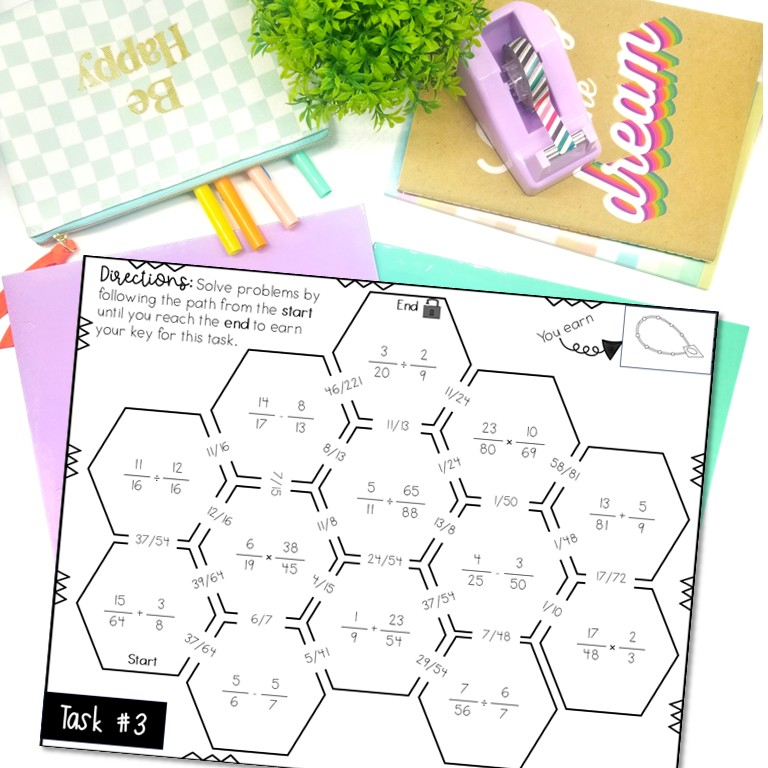
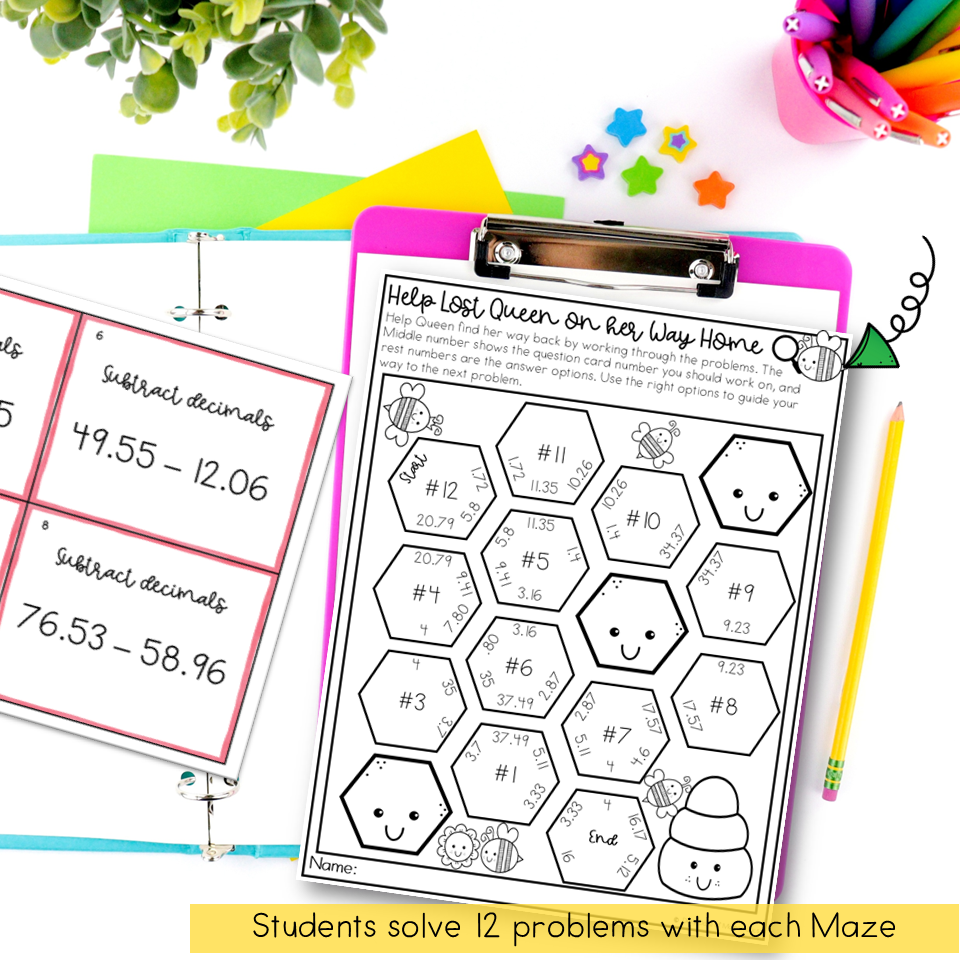
1. Fraction Task Cards Center
This is your foundation center the one you can rely on every time.
Students work through fraction problems, record their answers, and check their work.
It’s simple, but it works because it gives students consistent, focused practice.
If you want to save time, using a structured fraction review resource here can make setup quick while still giving students meaningful practice.
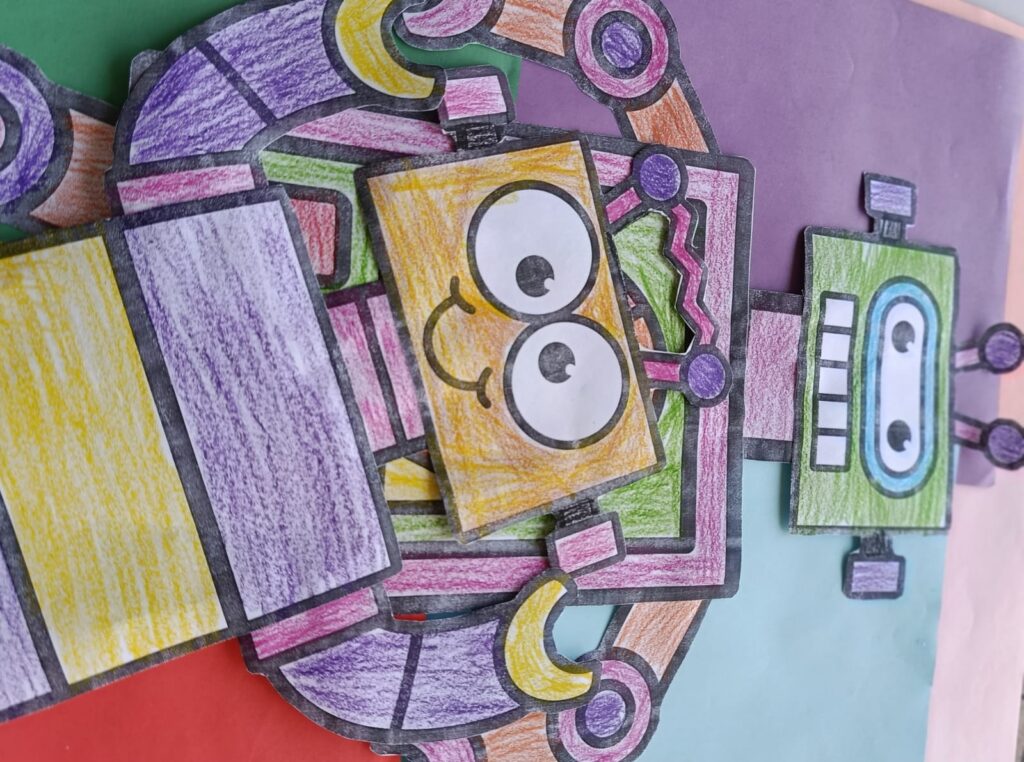
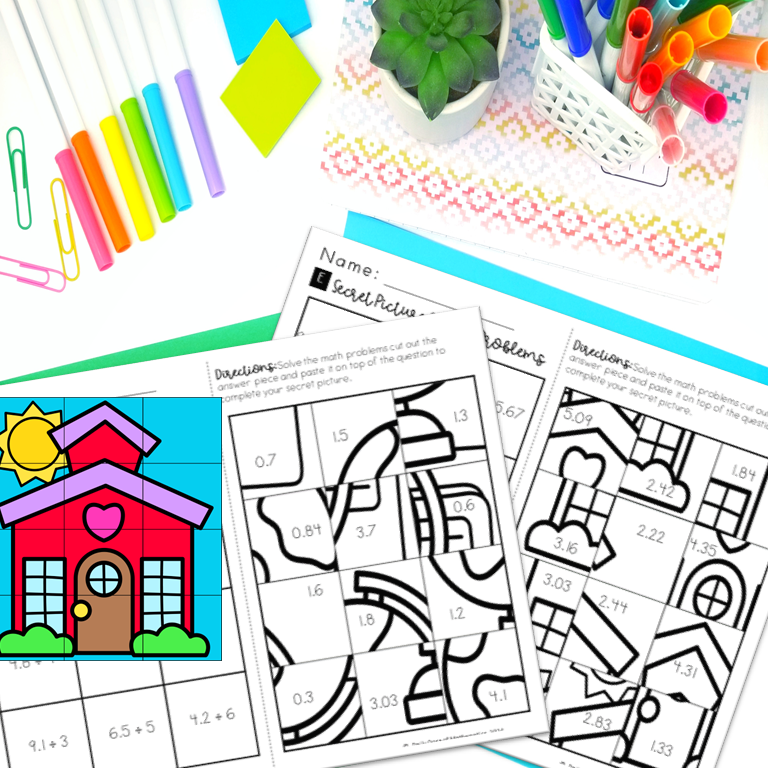
2. Hands-On Fraction Craft Center
This is where things get fun and where engagement really spikes. Instead of just solving problems, students use their answers to build something (like a craft or visual project).
They’re still doing the math… but it doesn’t feel like “just another assignment.” This is huge for motivation, especially for students who usually check out during math.
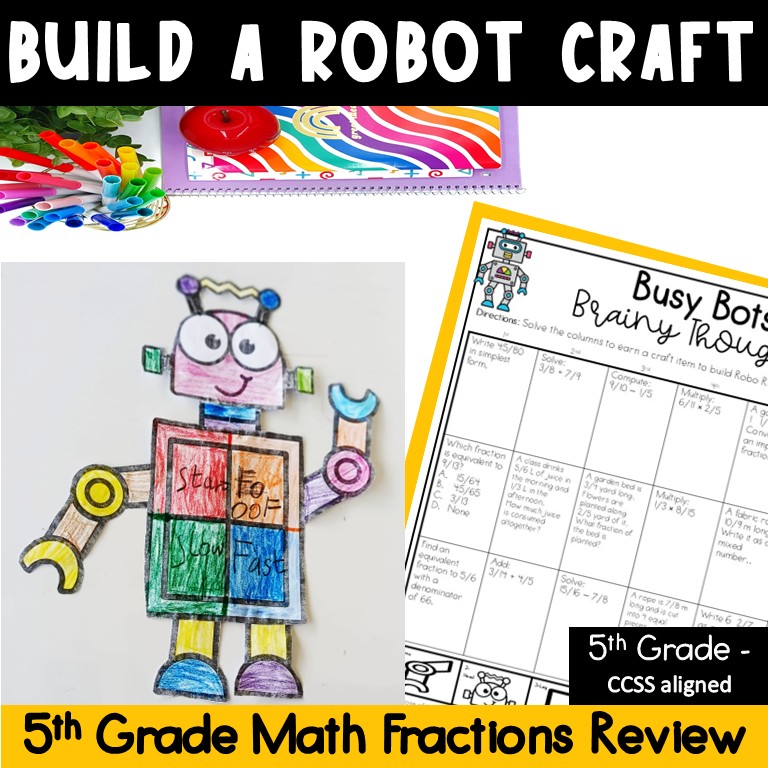
One of the easiest ways to run this center is with a math craft activity where students solve step-by-step and create a final product they’re actually proud of.
The best part… You can display their crafts in the hallway or classroom bulletin board to encourage their hard work.
Looking for even more ideas beyond centers? I’ve put together a full list of fraction games you can use throughout your unit: 5th grade math fraction games
3. Fraction Word Problem Center
This is your deeper thinking center. Students apply what they’ve learned to real-world problems, which helps move them beyond basic computation.
You can include:
- recipe-style problems
- measurement scenarios
- multi-step challenges
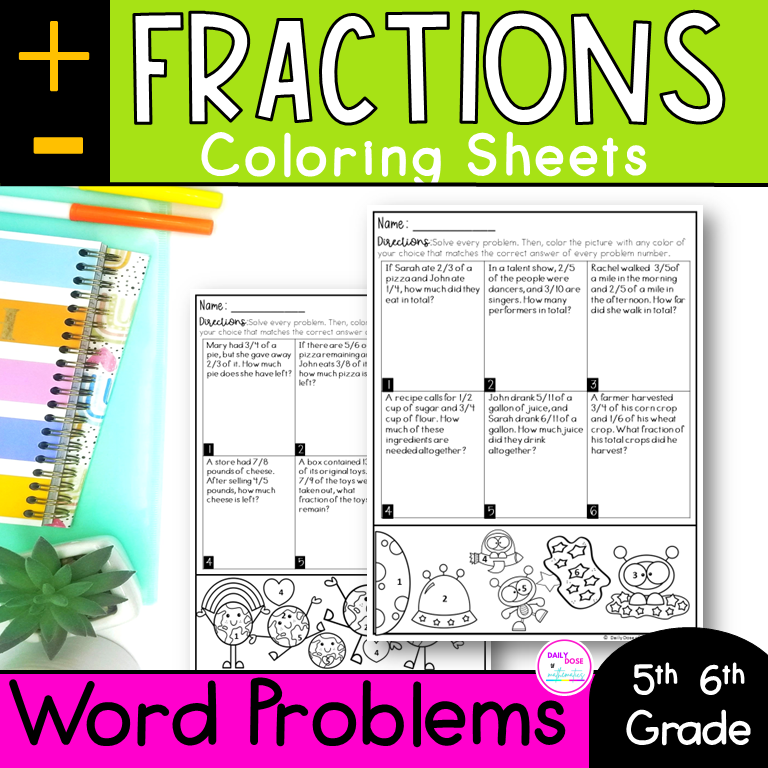
This one will help you see where each student stands in terms of their conceptual understanding of the topic.
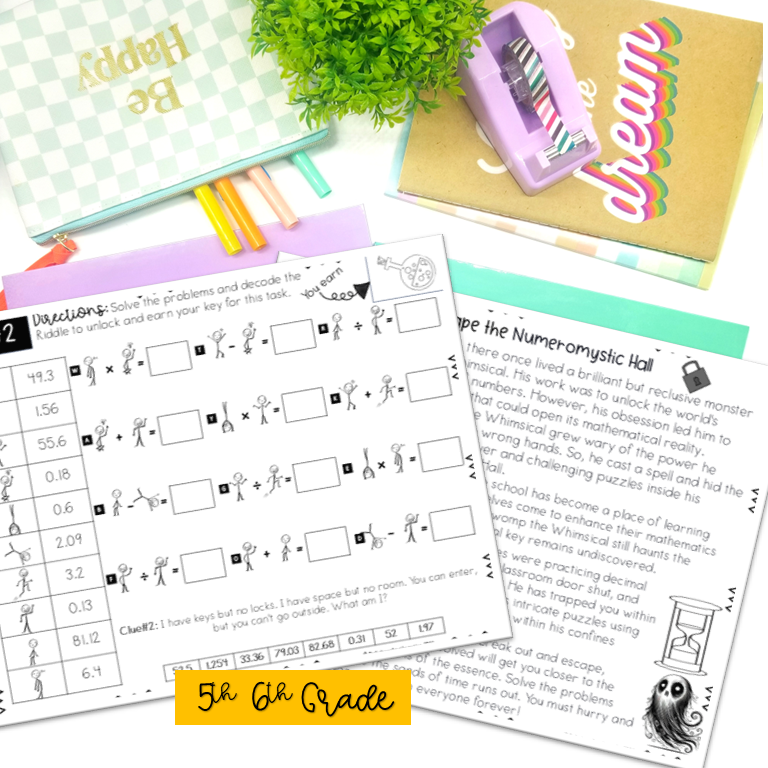
4. Movement-Based Center
This is a lifesaver during long math blocks. Students move around the room solving posted problems, which keeps energy up and engagement high.
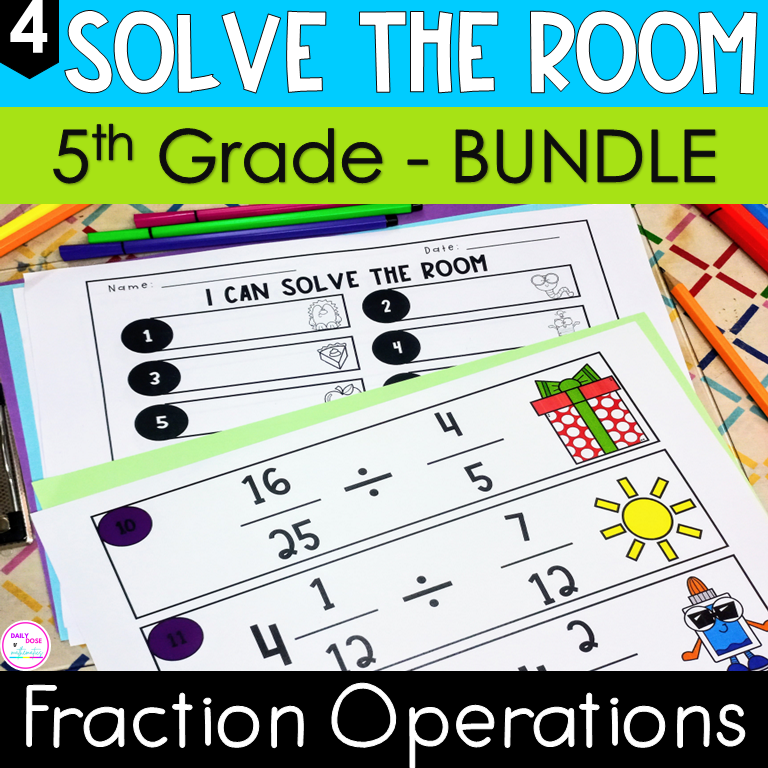
Perfect for those students who just can’t sit still. And honestly… by this point in the year, that’s most of them.
You can also include fraction word problems as part of your centers.
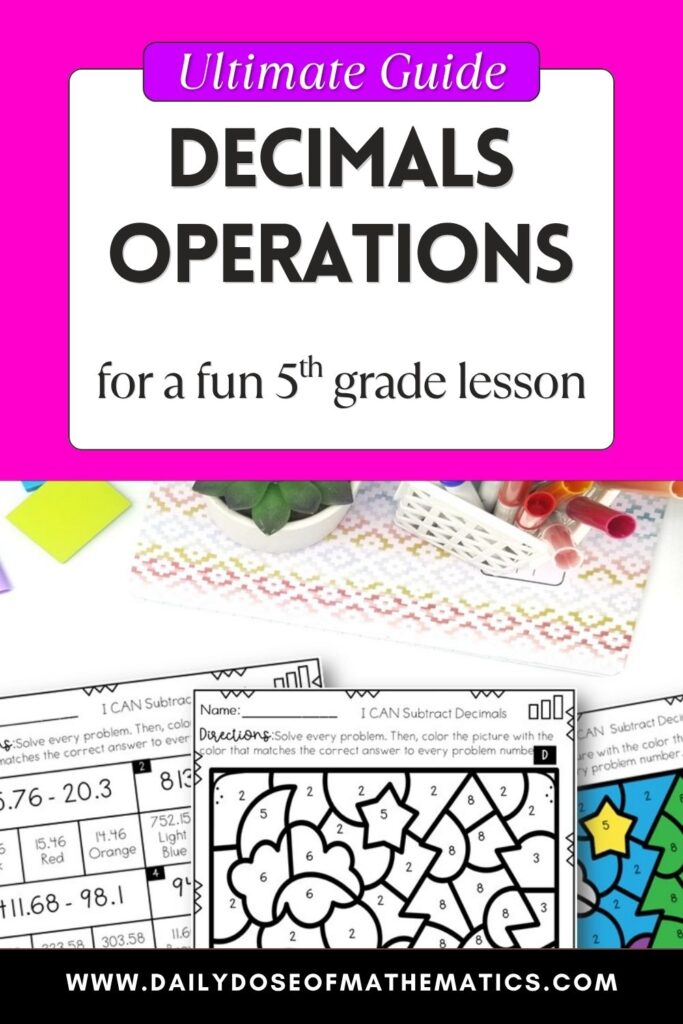
5. Independent Practice Center
Low prep but high engagement. The one thing we as teachers all need.
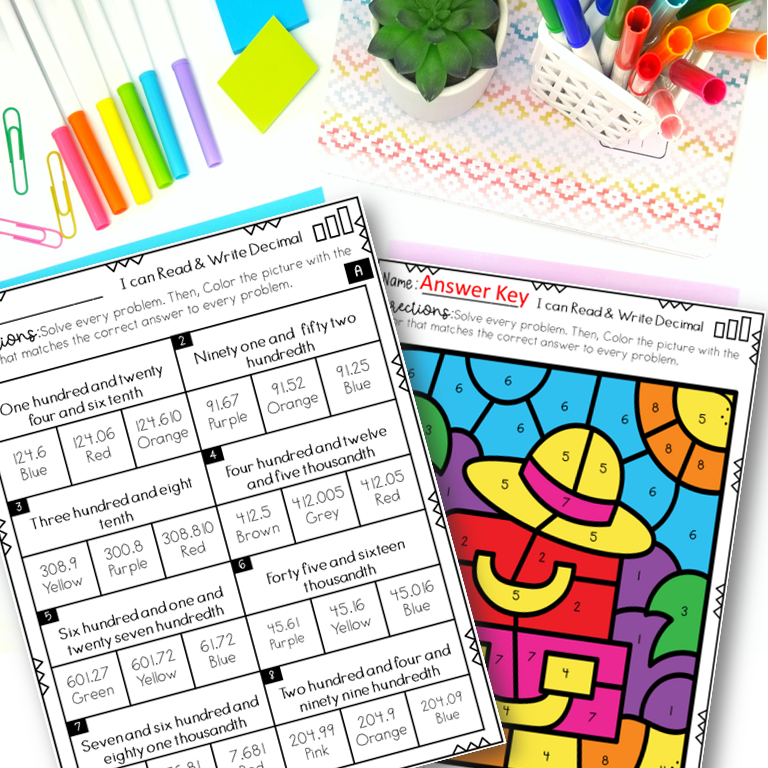
In this center, students solve fraction problems and color based on their answers. It’s simple, but it keeps students focused longer than a traditional worksheet.
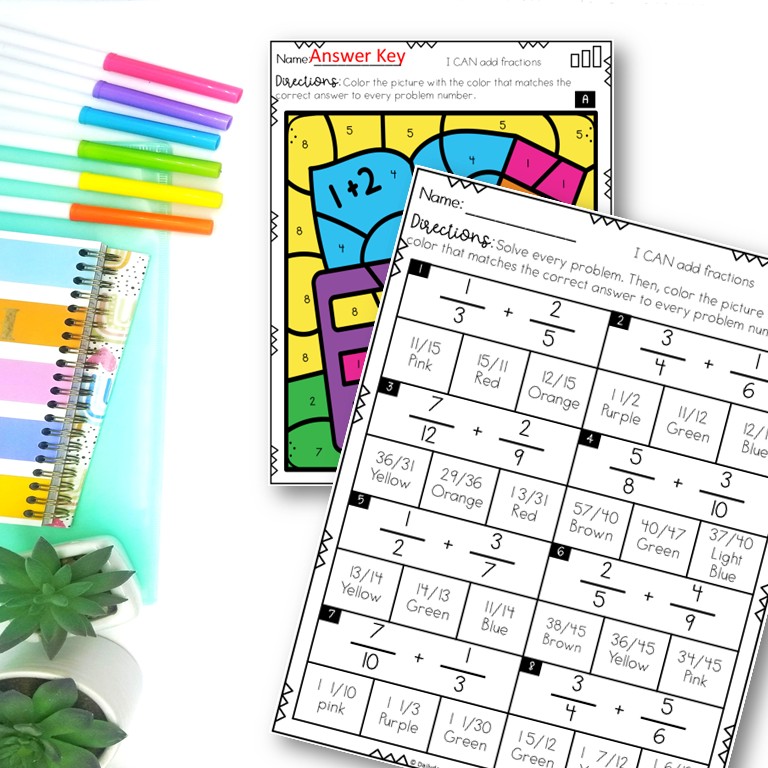
Great for:
- early finishers
- independent rotations
- quieter work time
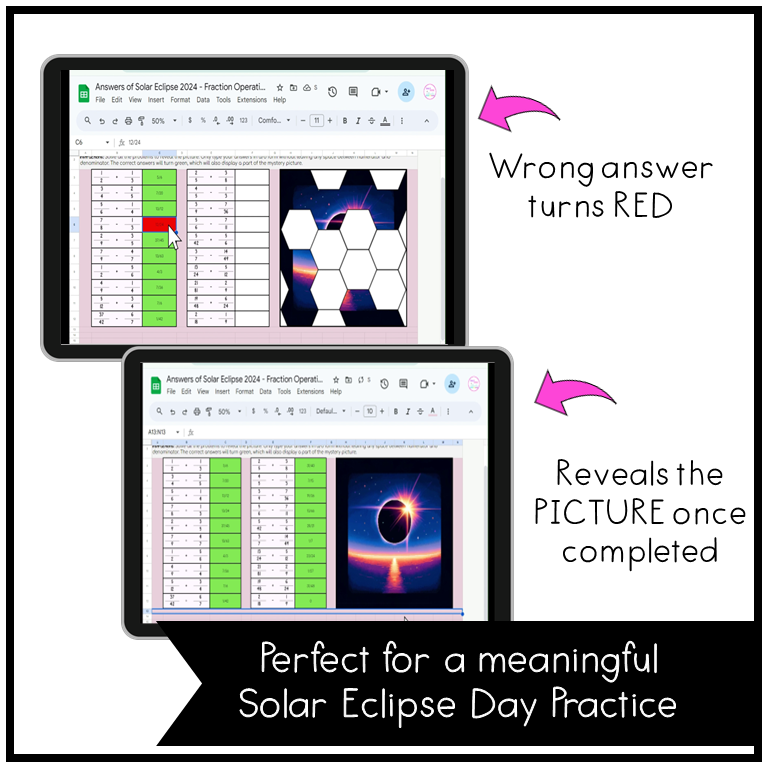
6. Digital Fraction Center (Optional)
If you have access to devices, this is a great addition. Assign the digital activities to a group of students and see them engaged like never before. It’s an easy way to differentiate without extra prep.
Students can:
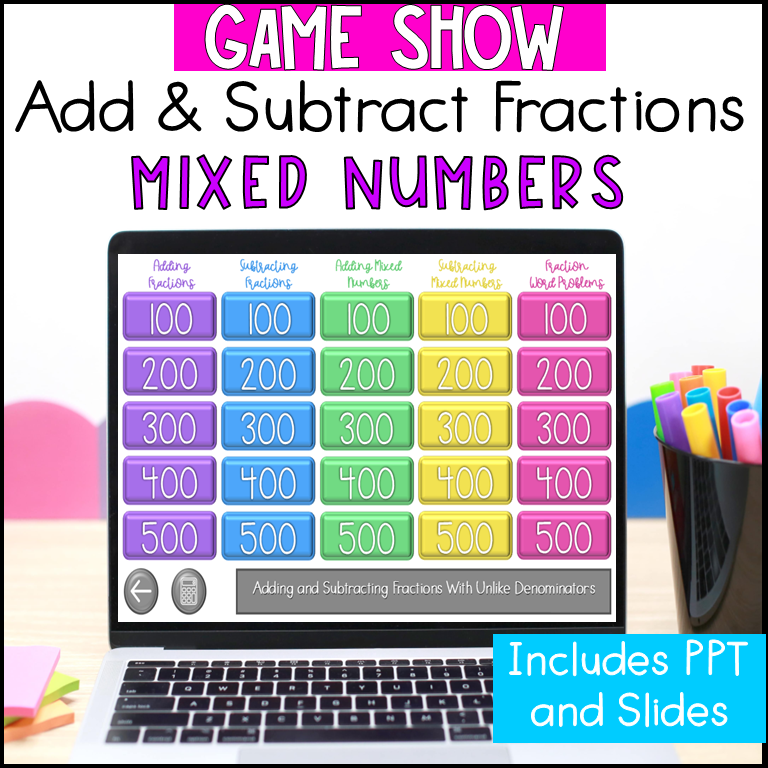
- complete Google Slides or sheets activities
- work through self-checking tasks
- get instant feedback
Here is a list of ones that can help your students with the extra practice they need.
HOW TO DIFFERENTIATE YOUR CENTERS
Not all students are working at the same level and that’s exactly why centers are so effective.
You can keep the structure the same while adjusting the level of support.
For struggling students you might want to include visual models, simplify the numbers or steps, focus on one operation at a time
For more advanced students you can add multi-step problems, include more word problems or require written explanations. Same centers just adjusted to meet students where they are.
If you’re looking for more ways to teach fractions beyond centers, you can check out this full list of ideas here: Your Fraction Activities Post Link
Fraction centers can completely change how your math block feels.
Instead of dealing with:
- bored students
- constant interruptions
- and repetitive worksheets
You get:
- more engaged learners
- stronger understanding
- and a classroom that actually runs smoothly
Start simple. You don’t need to do everything at once. Pick a few centers, get your routine in place, and build from there.
Once students know what to expect, everything becomes easier for them and for you.
Looking for a full list of engaging fraction activities? Check out this guide here: Fractions activities for fun in 5th grade.