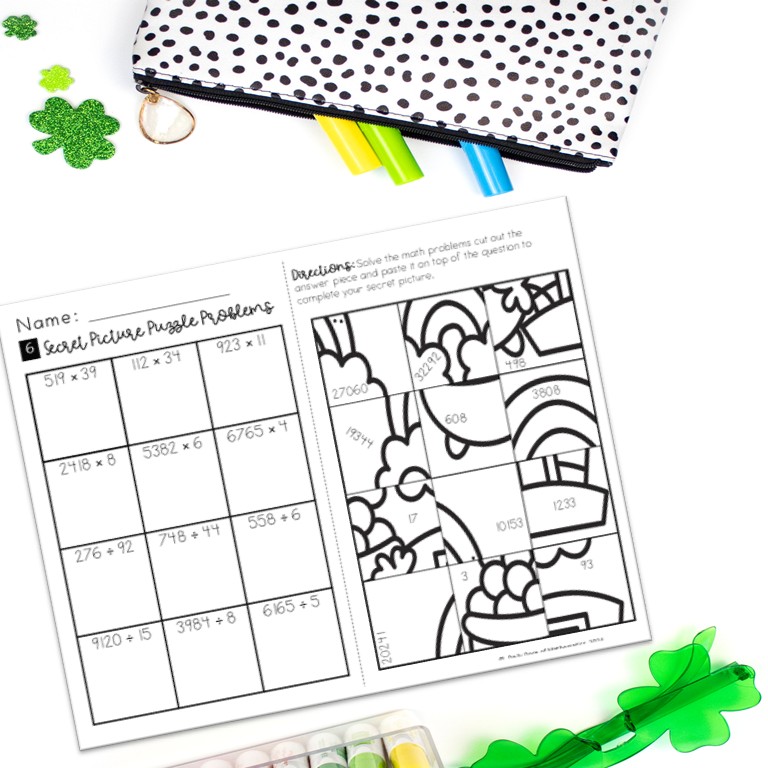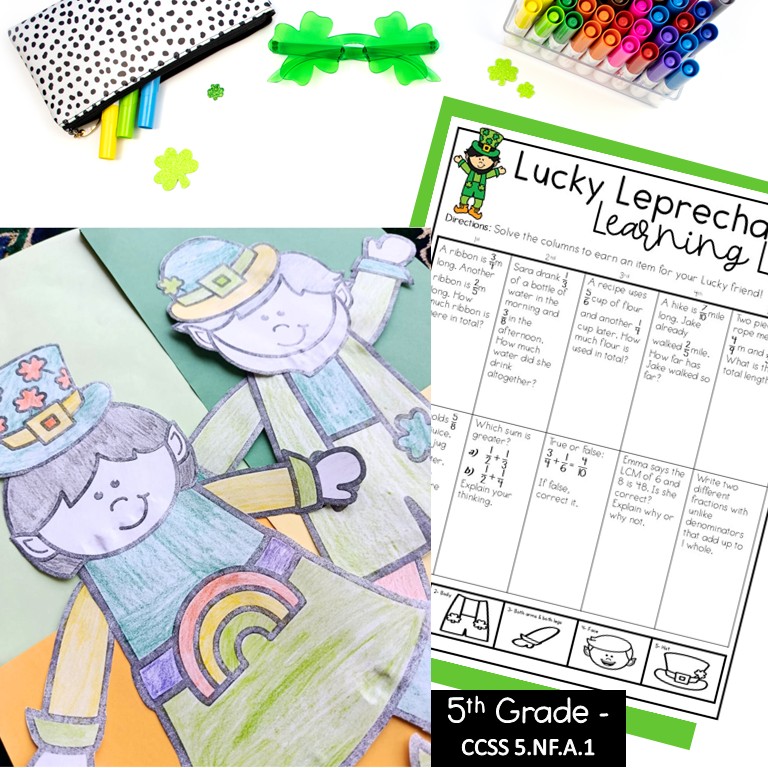
Fall Fun Worksheets and Activities for 4th and 5th grade
| |

Fall Math Worksheets and Activities for 3rd – 5th Grade

As the leaves change, so can your math lessons! 

Fall gives us teachers the perfect opportunity to engage students with fun, fall themed math activities that build excitement for learning inside classrooms. 
Fall Fun Worksheets and Activities for 4th and 5th grade

For me seasonal math not only brings a fresh twist inside classroom for kids, but it also give me some change to use fun activities to keep my upper elementary kids engaged with unique activities that are different but perfectly with the curriculum. 

Here are some way I have found helpful to bring the spirit of autumn into my math lessons to keep students motivated and excited to learn.

Why Use Fall-Themed Math Activities?

Once the back-to-school buzz goes away, students may start to lose some of the enthusiasm they had in the first few weeks of school. 

This can be challenging to maintain that level of energy in the classroom as the routine sets in. 

And tis is where seasonal activities come in handy and exciting to keep them engaged and ansurprised to work on their task! 

Fall-themed math activities can help apture student’s attention and re-energize their will to keep their math learning moving forward.

These activities not only make lessons fun but also ensure students are still practicing critical math skills in an engaging way.

Upper Elementary Fall Math Activities you Should Try this Year:

Here are some of you can use activities to help your 3rd 4th or even 5th grade students get into the Fall spirit while practicing essential math concepts:

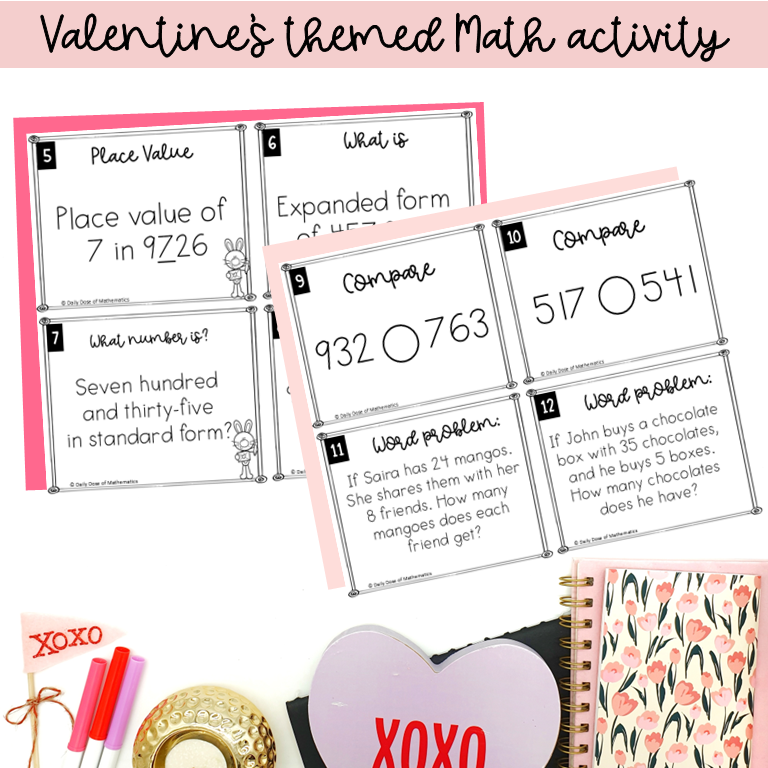
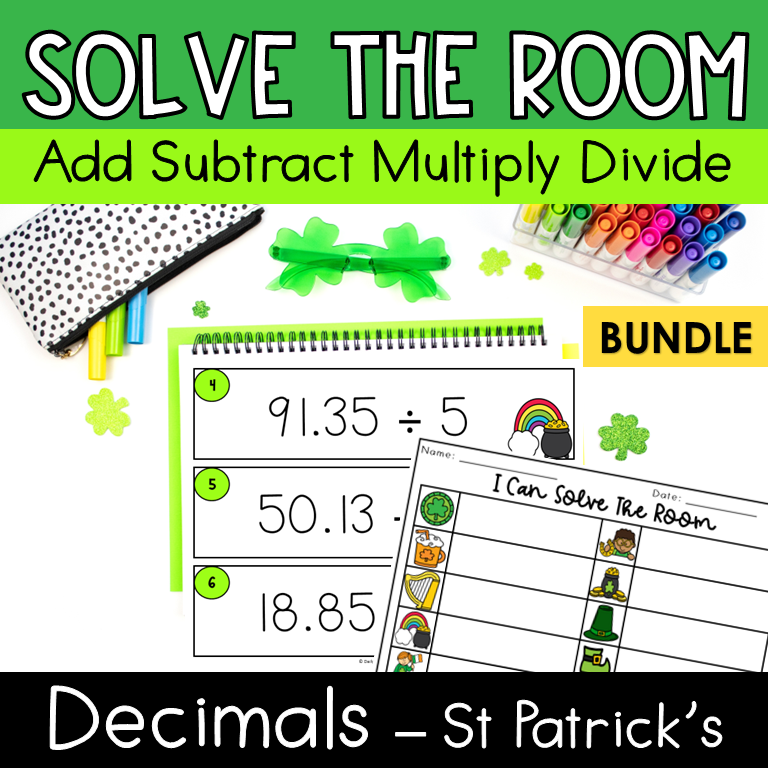
Fall-Themed Solve-the-Room Activities
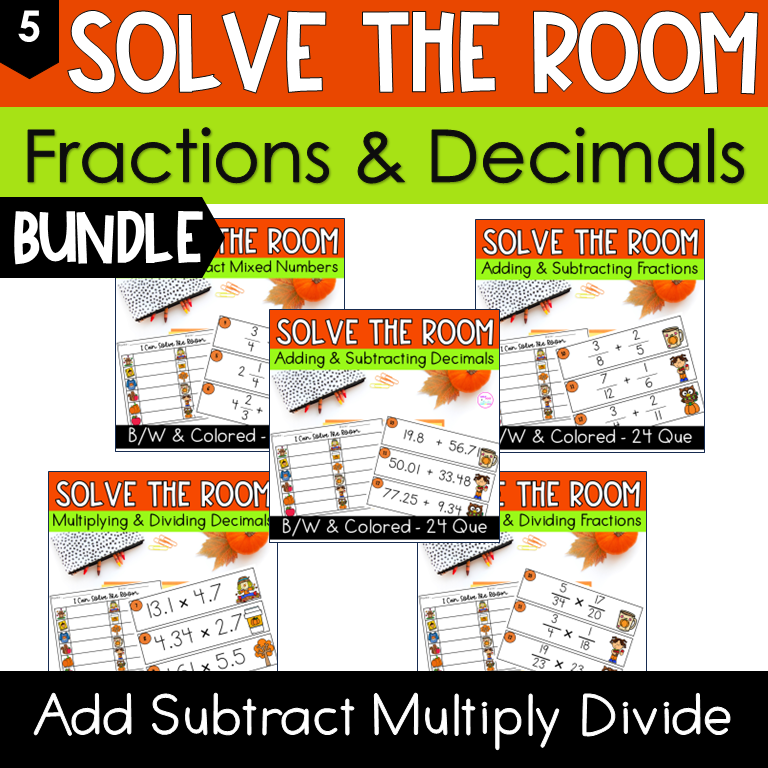
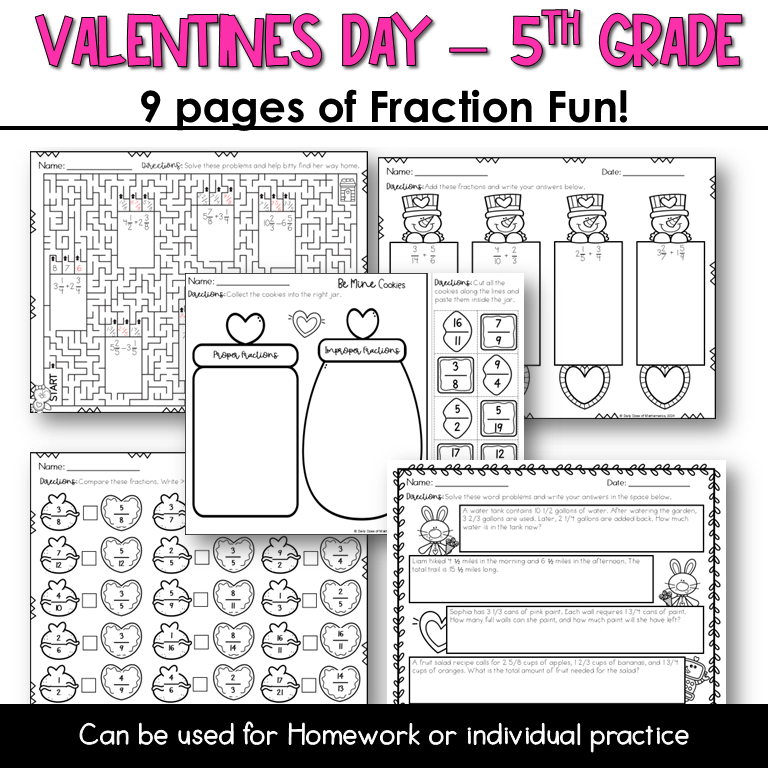
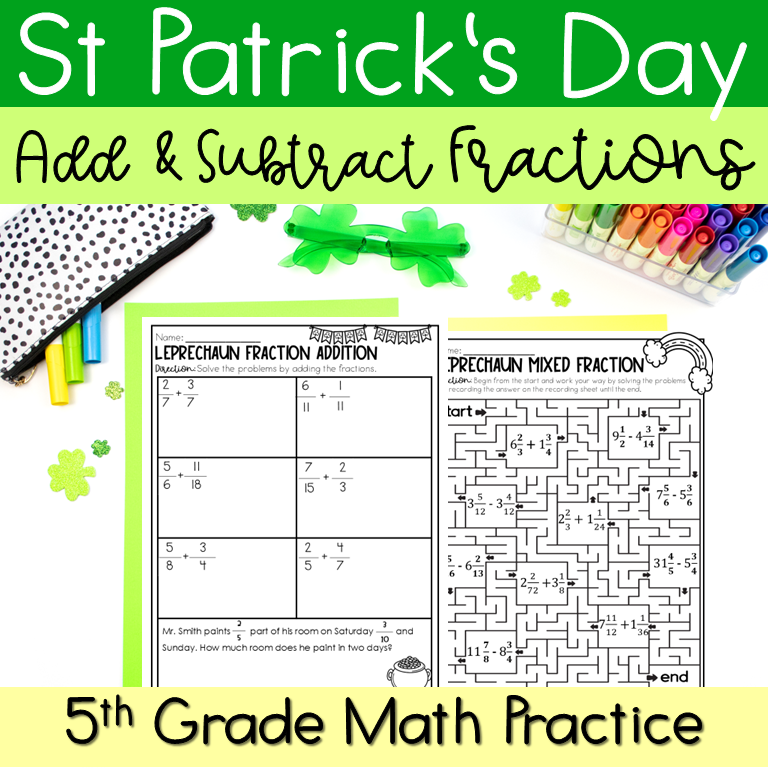
Fall fraction and decimal operation activity 5th grade and upper elementary grades

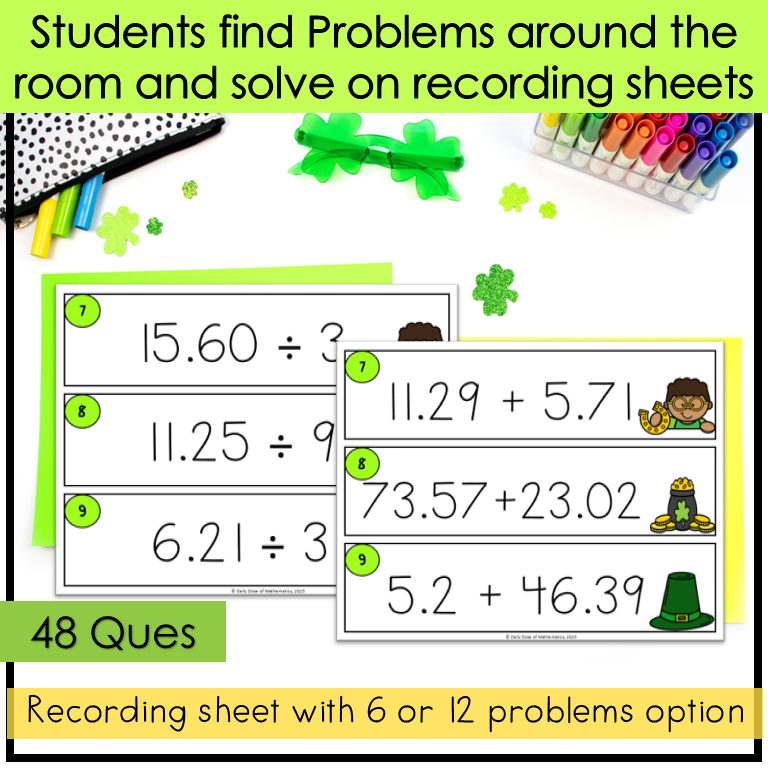
This activity can transform your classroom into a dynamic learning environment. Students will move around the room, solving math problems with a fall spirit.

Activities like these are perfect for keeping students active while making sure they’re reviewing their key math concepts, such as Decimal and fraction operations or even math facts.

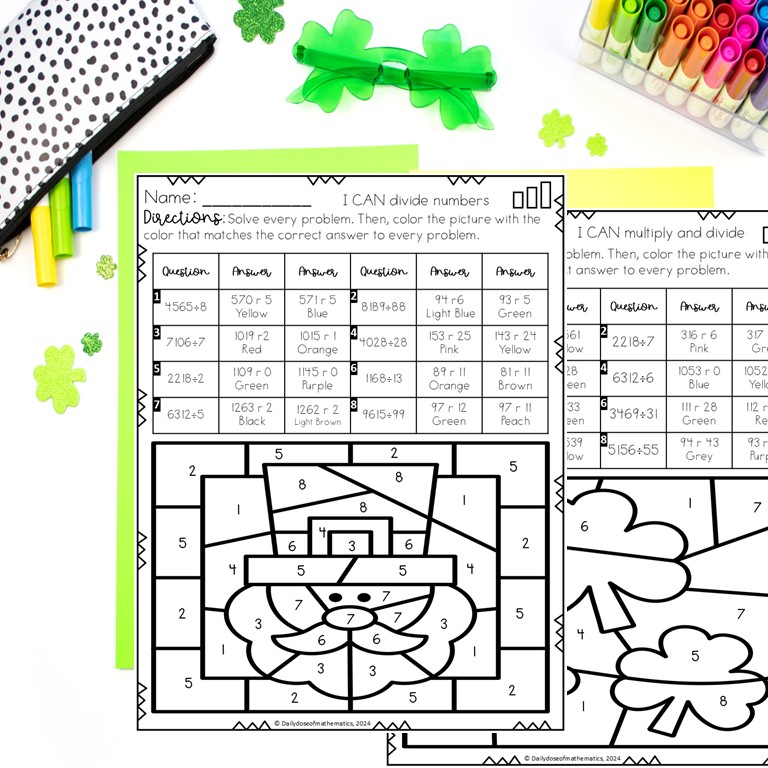
Fall Color-by-Number Worksheets

Ahhh! Who does not like some coloring to go along with their math centers and daily practice?

Color by number worksheets combine creativity with math practice to keep them on their learning journey and reduce their learning fatigue at the same time. 

Honestly this alone is like a win win situation for me. 

Every time I take out one of these Coloring sheets kids are just excited and motivated to work on them. 
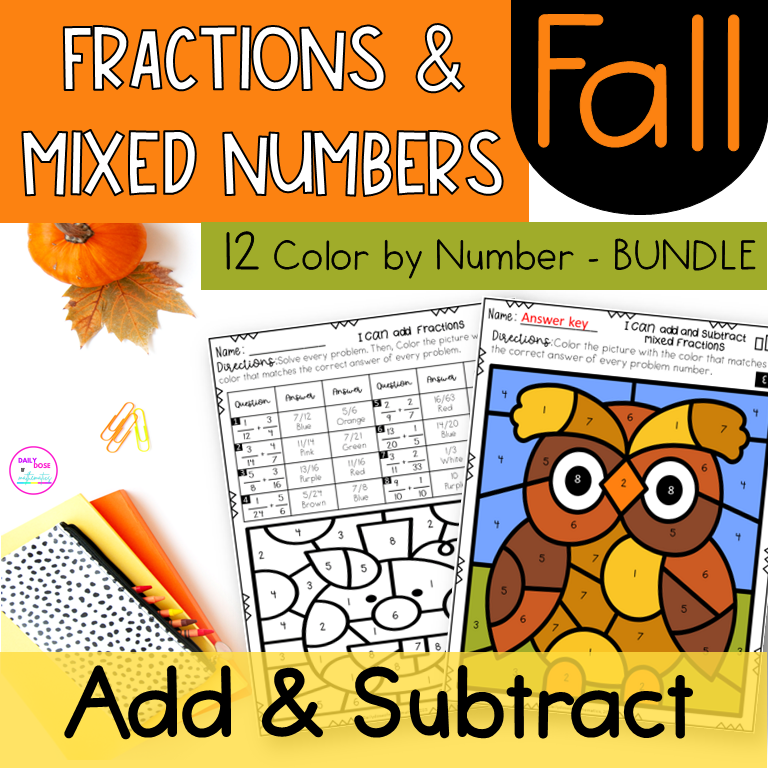
What’s most important is there are jut 8 problems they need to solve instead of bajillions just to get them to the coloring part.

This is the reason why they are more motivated to work on this single page coloring math sheets.

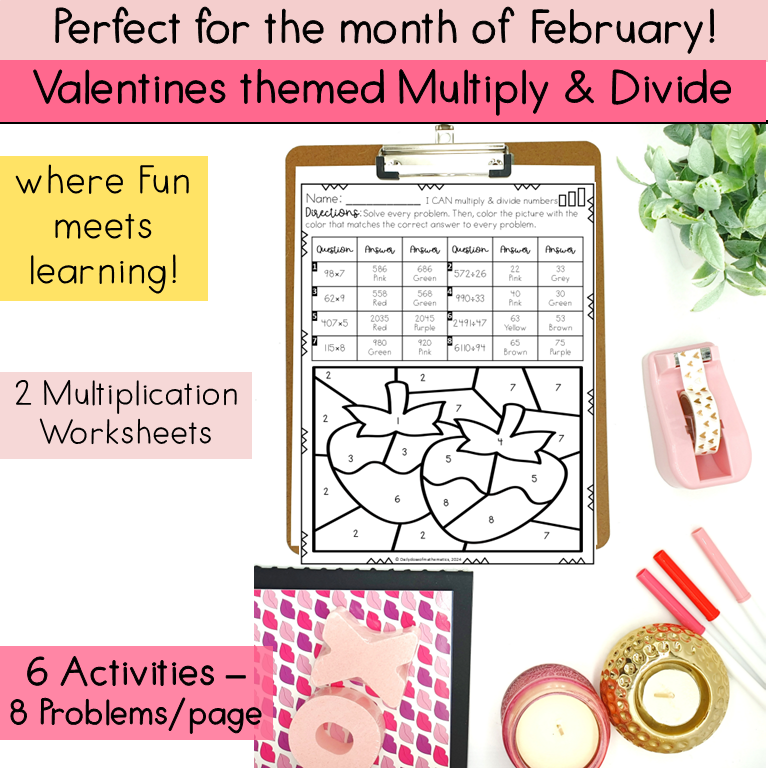
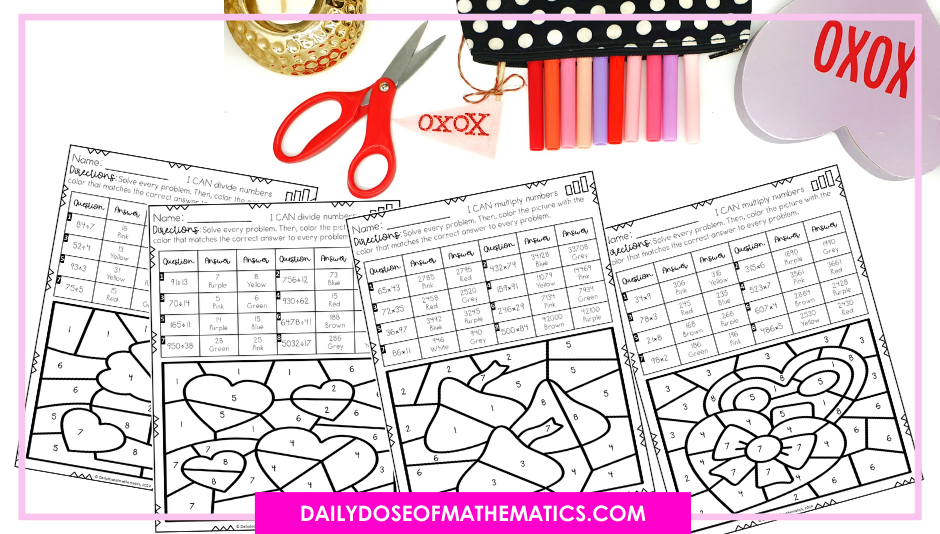
Here is how it works: Students will solve math problems and then use their answers to complete fall-themed coloring pages. 

It’s a great activity for early finishers or as a calming task during busy classroom days which is a plus.

Fall Math Scavenger Hunt

Did you just said hunt? I think math reviews do not have to be boring? 

Using this fraction scavenger hunt activity this Fall and turn you class in to a Scavenger Hunt adventure that your kids would love to be in.
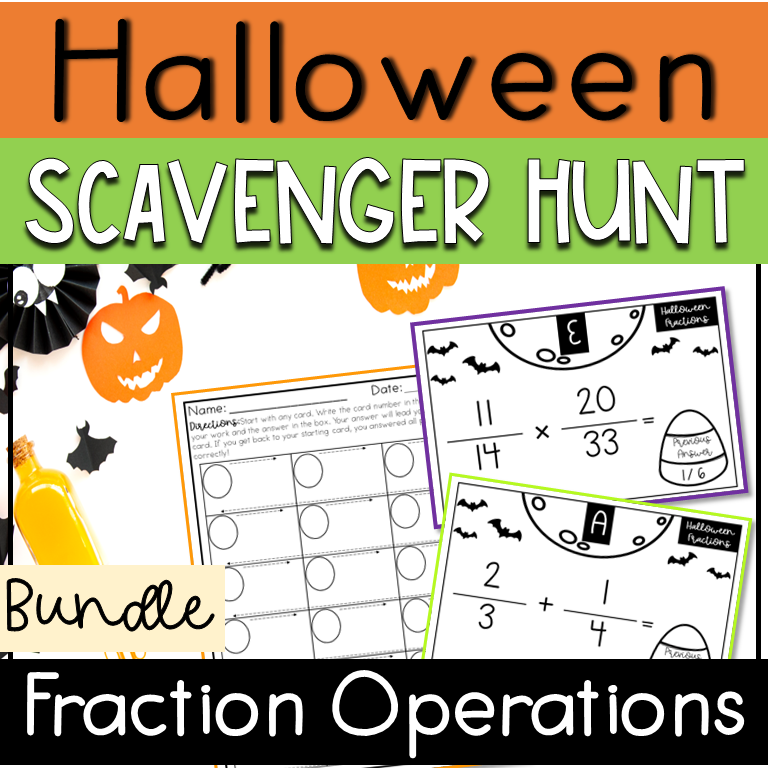
Students solve math problems while following clues around the room. It’s an engaging way to review concepts and encourage teamwork.

And the best part is, it’s self checking so less work for you but more fun for them. 

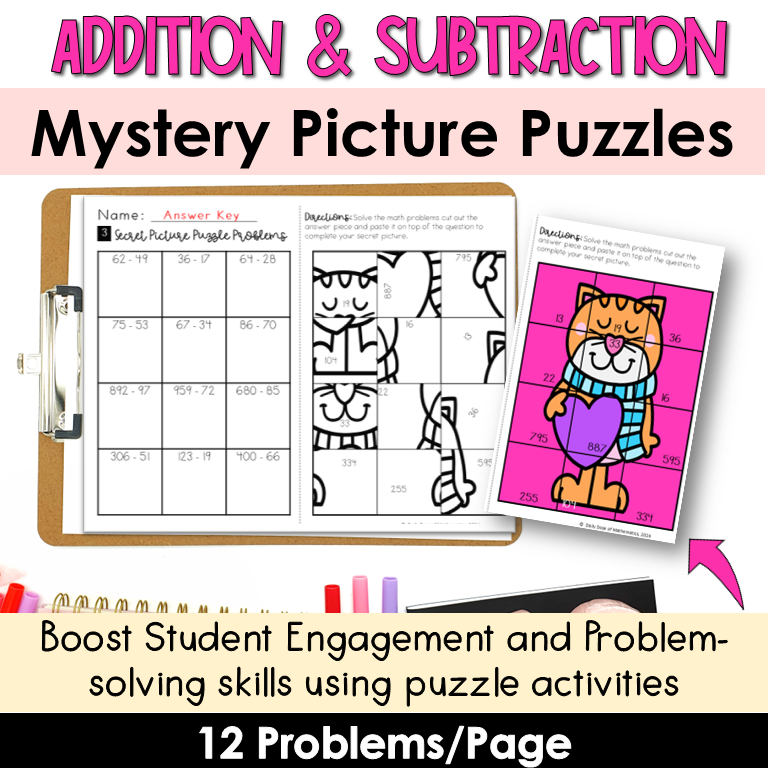
Fall Fractions and Decimal Operations – Mystery Picture Puzzle!

Tired of searching for an engaging and fun way to help your 5th-grade students master fractions and decimal operations? 
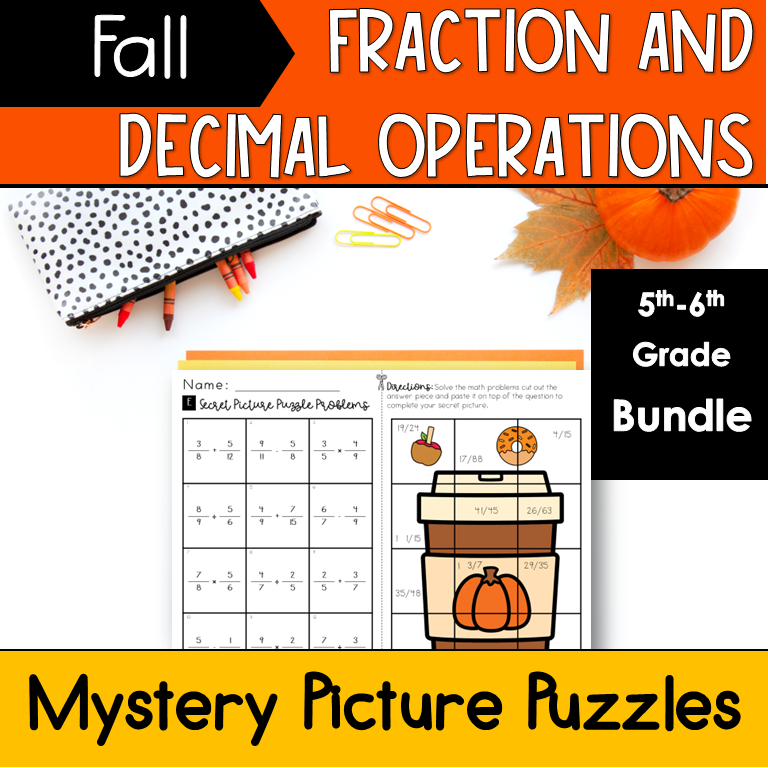
Maybe try out some mystery picture puzzle math activities.

Using the Fall Fractions and Decimal Operations Picture Puzzle is the perfect way to practice math and increase creativity to keep your students motivated and excited on learning their fractions concepts.

These puzzles gives students the opportunity to solve fractions and decimal problems while slowing revealing a fall-themed picture. 

Whether you’re looking for a way to reinforce lessons on adding, subtracting, multiplying, and dividing fractions and decimals or simply want to add an interactive twist to your math centers, this activity does it all!

How to Implement It

This resource is dynamic and easy to use into your classroom. You can use it as:

  • A fun, no-prep fall math center
  • A homework assignment to reinforce what was taught in class.
  • An engaging review activity before an upcoming test.
  • A small group activity for collaborative learning.

How to have Fall-Themed Math Spirit in the Classroom

Using fall-themed classroom activities and resources into your lessons is easy, and literally there are so many creative ways to do it! 
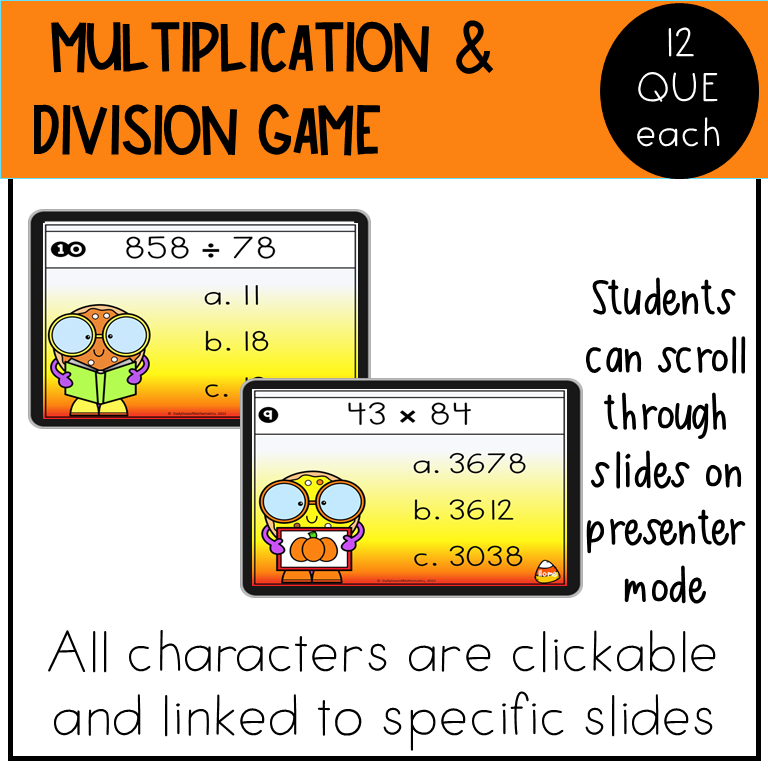
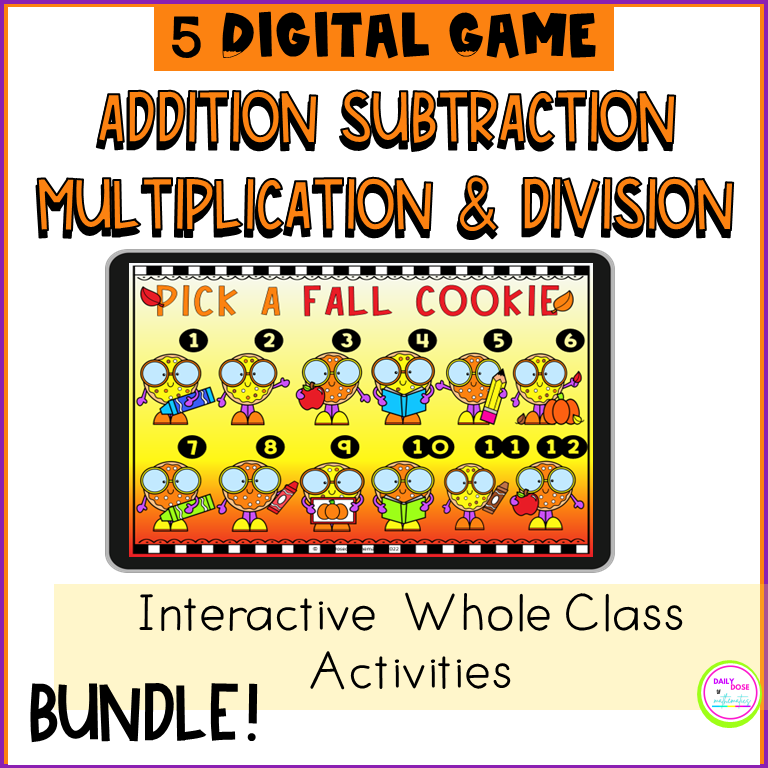
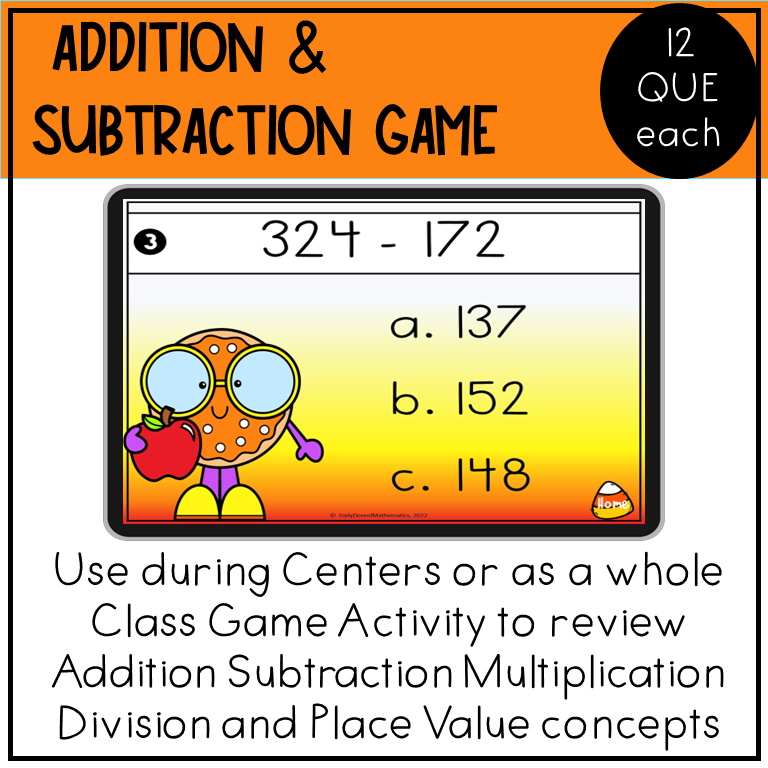
Engaging Fall addition subtraction multiplication division math powerpoint game activities for 3rd 4th and 5th grade kids

Here are a few ideas from me to get you started:

  • Create Fall-Themed Math Centers: Yup that’s the first one. You need to set up multiple fall-themed stations in your classroom where students can rotate between different activities, like the Fall Solve-the-Room or Color-by-Number sheets. This gives kids diverse options and allows students to work independently or in small groups.
  • Use for Early Finishers or Warm-Up Activities: These activities are perfect for students who finish their work early or for a quick and engaging warm-up to get everyone focused on math first thing in the morning.
  • Fall Decor for Extra Fun: This one is a must! Decorate your classroom with fall leaves, pumpkins, and other seasonal visual elements. Then, use these resources as part of a fall-themed math review or even a class competition!
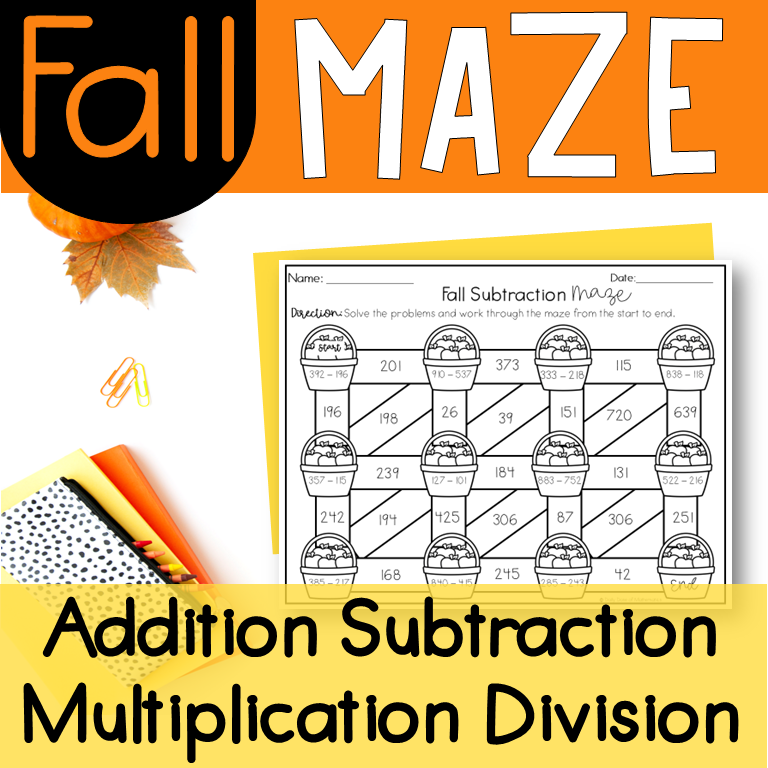
By using these fun ideas, you’re not only bringing fall into the classroom but also boosting students’ enthusiasm for math.

To bring the magic of fall into your math lessons. You will be able to watch your students’ willingness to work on their classwork soar, the big idea is to use multiple Fall themed elements in your day and your kids will thank you for all that you do for them.

Ready to add some seasonal fun to your math lessons?

Check out our Fall Math Activities on my TPT store Daily Dose of Mathematics store!
Similar Posts

  • |

    Adding and Subtracting Fractions Color by Number PDF Free with Unlike Denominators

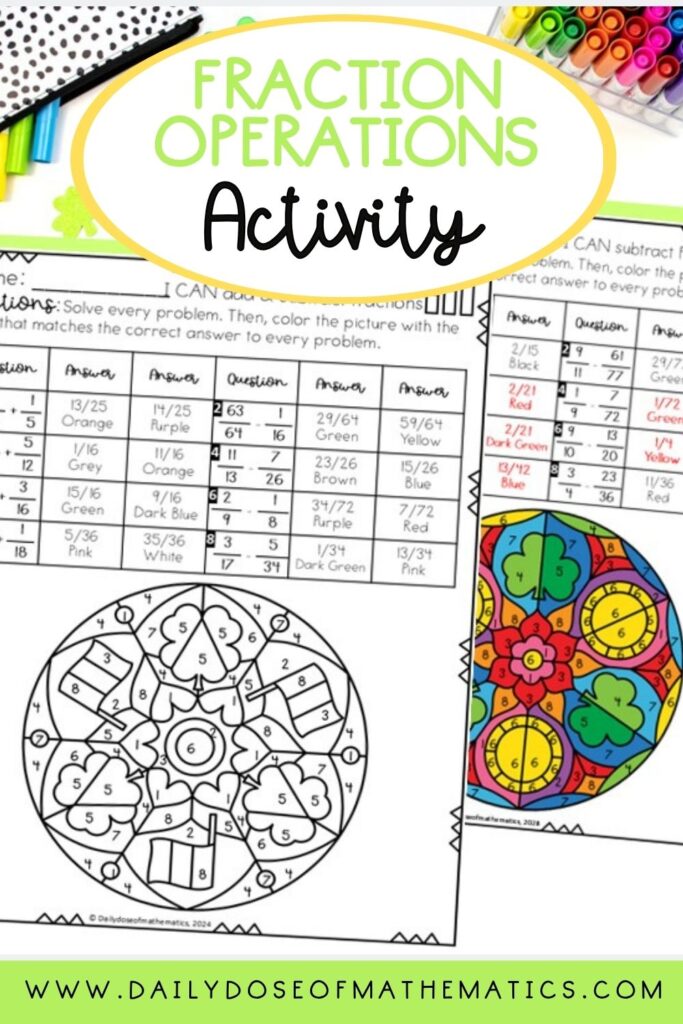
    Summer is finally here and it’s the perfect time to keep your kid’s math skills sharp! If you’re looking for a fun and engaging way to help your students practice adding and subtracting fractions using color by number PDF free with unlike denominators, I’ve got good news for you.

    Adding and Subtracting Fraction Color by Number PDF Free Worksheet

    Teaching fractions can be challenging but it doesn’t have to be. This Color by Number activity makes learning fractions fun and stress-free. Your kiddos will love the vibrant mandalas and the creative twist on boring traditional worksheets. Plus, I think it’s a great way to keep them engaged with math during.

    How it Works?

    This activity is perfect for independent practice, math centers, or homework. Simply print out the worksheets, and let your kids color their way to mastering fractions. The Color by Number format provides instant feedback, so kids can easily see if they’ve got the correct answer. And guess what you can download this activity now for FREE.

    Stay Connected for More!
    For more free resources, teaching tips, and updates, please sign up for my newsletter. By subscribing, you’ll receive access to my free resource library, filled with worksheets, activities, and more to make your teaching life easier. [Sign up here!](link to signup page)

    Happy teaching!

  • |

    How to teach the area of composite/complex figures in an EPIC way!

    Struggling to teach the area of composite figures in a way your students actually get?

    Ever wondered that every time you feel like thinking about how to get started or how even to think about introducing the topic to your kids, frustration kicks in!

    Believe it or not, we all have been there during our first few years of teaching.

    And you’re not alone… If your kids are zoning out the second you say “area” keep reading, this post breaks it down with easy, engaging ideas that make sense (and work for all levels).

    Teach kids how to find Area of Complex or Composite Shapes  figures | middle school math lessons and activities

    Explore the Area of complex figures in an exciting way

    Let’s be real right now teaching math isn’t what it used to be. Today’s kids are growing up with TikTok-level attention spans and infinite entertainment options at their fingertips.

    That means if your area of complex shapes lessons are not engaging and exciting enough, you’ve already lost half the battle.

    Here’s the good news, you don’t need flashy tech or hours of prep work just to make the area of composite figures click for your students. You just need the right strategy.

    So how do you teach this topic in a way that’s fun, clear, and actually sticks?

    find Area of Complex or Composite Shapes lesson math middle school

    The answer: make it visual, hands-on, and connected to real life, yup, that’s right this way your students aren’t just memorizing formulas, they’re solving problems like mini math detectives on a mission hunt.

    Now the question is where do you begin?

    Start with the Basics:

    Like I said, it all starts with basics.

    And to be honest, there is no other answer to this problem other than nailing the basics!

    Here is the hard truth… if kids find the lesson interesting, they are more likely to be engaged and motivated to learn about the problem, think about it, practice it, and ultimately feel a sense of confidence in their skills.

    This is why using gamified methods of teaching math inside your classroom can be a handy tool for teaching any concept!

    Teach kids how to find Area of Complex or Composite Shapes  figures | middle school math lessons and activities

    Seeing Math Everywhere:

    Here are the steps to help kids see math everywhere in their life.

    Step 1: Help Students See Math Everywhere (Real-Life Hook)

    One of the most effective ways to introduce composite figures is by showing students where these shapes exist in their world.

    What it means is to check for there: Activate prior knowledge. Ask your students:

    • What basic shapes do you already know?
    • Can you think of any objects that are made up of more than one shape?

    Then guide them to see that a playground, a building (maybe school) floor plan, or even a weird-shaped pizza is made of multiple simple shapes.

    🟩 + 🟥 + 🟦 = Composite figure.

    Your goal here is to help them realize that composite shapes are just familiar shapes combined, nothing fancy.

    Teach kids how to find Area of Complex or Composite Shapes  figures | middle school math lessons and activities

    Step 2: Revisit the Basics with Hands-On Practice

    Before diving into composite figures, make sure your students are rock solid on calculating the area of:

    • Squares
    • Rectangles
    • Triangles

    Here is a Pro Tip: Use graph paper and have them COUNT squares to confirm what the formulas actually do. This helps your visual and tactile learners “see” the math in action.

    Step 3: Decompose a Composite Figure (using engaging activities)

    Once the basics are solid, it’s time for the real fun, breaking down a complex shape into smaller, manageable parts.

    Here is an activity you can try in your class:

    1. Show them a real-life layout — like a house blueprint or the shape of a playground.
    2. Ask them to identify the basic shapes they see.
    3. Have them outline or color-code each individual shape inside the figure.
    4. Guide them through finding the area of each part — and then adding it all together.

    Want a fun way to reinforce this practice? Try out this this area and perimeter Color by Number activity!

    Finding the Area of Composite Figures or Complex Figures (Color by Number)

    Since kids have already mastered how to calculate the area of regular shapes, it’s time to introduce them to composite figures.

    You can use any composite shape, like a park or a house layout, and ask what they see.

    Tell them to imagine the shape as a whole building made by several small ones and treat every small shape like a rectangle, square, or triangle as a room inside the building.

    Let them think about this concept for a while, and then decompose the shape into its parts and find the area of the individual basic shape.

    Finding Area of Complex Figures Piece by Piece

    Next, it’s time to decompose composite figures like literally breaking the big shape into smaller, familiar parts.

    For better understanding, it’s good to introduce a composite figure with 2 or 3 squares or rectangles and then move on to the more complex figures.

    The next step is to ask your kids how many squares or rectangles they see inside their big figures.

    Have them trace or outline each individual shape in a different color and then calculate the area of each smaller part one shape at a time.

    Pro Tip: Write the area inside each shape as they go to help them see their progress. Next step is to calculate the areas of these individual shapes.

    Since your students by now already know how to calculate the area of regular figures, it would not be a daunting task. Lastly, ask them to add all of them together to get the total area.

    Want some resources to practice the area of squares, rectangles, and triangles in an exciting way? Check out this area and perimeter Color by Number activity below.

    Area of complex figures review practice and perimeter of regular and composite figure, area and perimeter of regular shapes

    Finding the Area of Complex Figures (Trending and Most Popular)

    Now comes the fun part: tell your kids that we are calculating the area of the whole building, not just the single rooms inside.

    They also know how to calculate it by adding the areas of each smaller shape. Basically, by summing up, kids will be able to tell what the area of the complex figure is. 

    Want some fun digital and printable activities to help you with this lesson?

    Check out this exciting whole class activity: Digital game for area of composite figure that also includes printaba le worksheet for student accountability.

    Area of composite figure digital game and activity for 6th grade

    Want to access free math resources worth $29. Click here to learn more!

    Click here to learn more about 5th Grade math activities that keep your students excited while learning math year long.

    Join in to get special FREEBIES and Insider’s FUN!

  • |

    How to Teach GCF and LCM With NO Stress This Halloween

    Halloween week in the classroom is chaos. Between sugar highs, costume distractions, and a packed schedule, the last thing you need is a complicated GCF and LCM practice lesson.

    But October is also a great time to hit those tough concepts like Greatest Common Factor (GCF) and Least Common Multiple (LCM) practice especially, if you’ve got the right tools.

    That’s why I created these three hands-on, no-prep Halloween-themed math activities that actually get your students excited about GCF and LCM.

    These aren’t just worksheets, they’re interactive, self-checking, and fun.

    In this post, I’m breaking down how each activity works and how you can use them in your classroom this October.

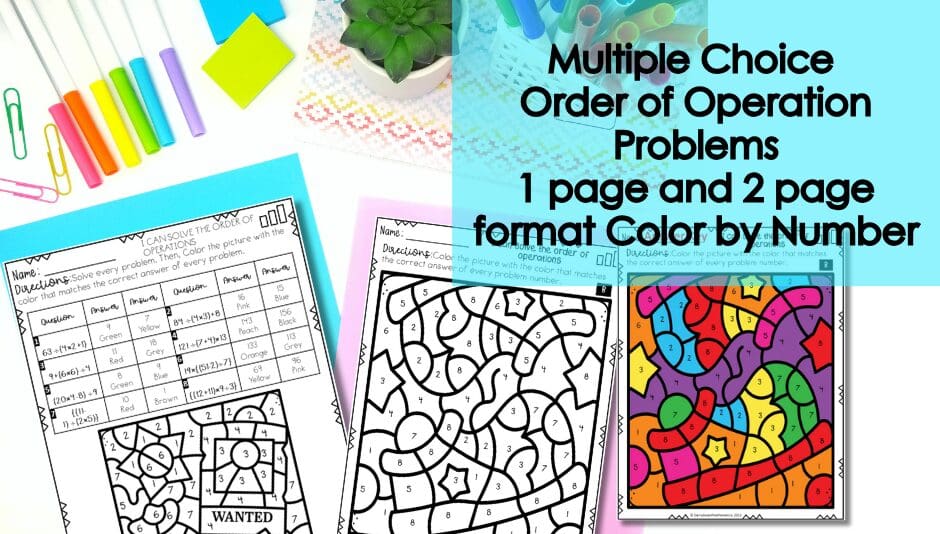
    GCF and LCM Practice Halloween Coloring

    Kids in my class LOVE coloring period. The truth is, we need to use more coloring math practice in the age of AI than ever before.

    The reason is that kids these days aren’t as calm as they used to be. Coloring helps them calm down due to their hyperactive abilities.

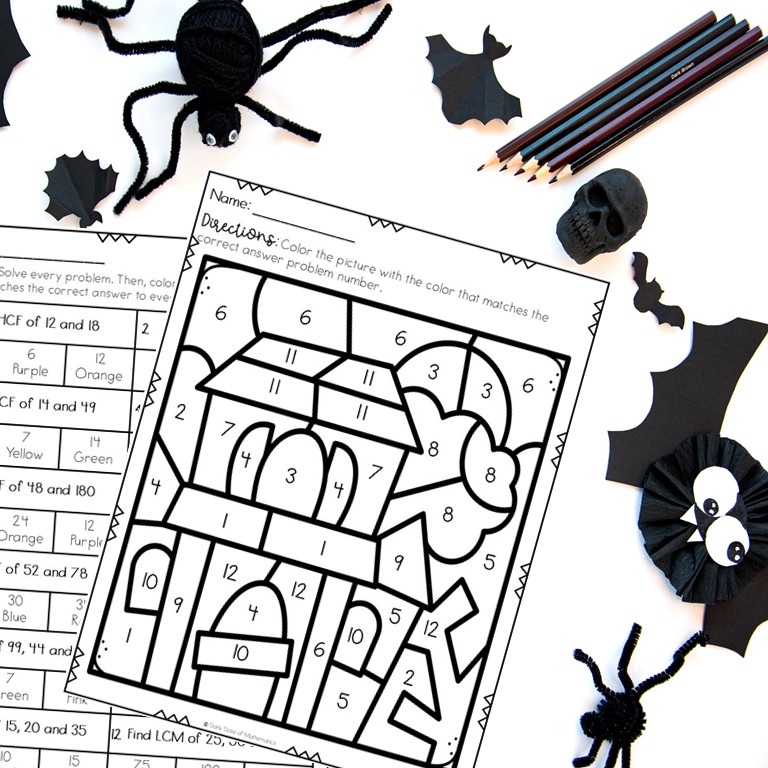
    Halloween GCF and LCM Coloring Worksheet and Word problem Activity 5th 6th Grade

    This Halloween color-by-number activity blends math + art to keep kids engaged while practicing core skills.

    Students solve GCF and LCM problems, find the matching color, and use it to complete a spooky themed image that you can display on bulletin board.

    Why it works:

    • Self-checking format helps students correct their own work
    • Visual + hands-on = more focused engagement
    • Works great for early finishers, math centers, or calming down a hyped-up classroom

    The best part? It’s Print and go! No prep needed.

    It’s perfect for days when you want meaningful review without managing chaos.

    To try this out in your class, you can check out this Halloween GCF and LCM activity pack here.

    Want to get access to free Order of Operations activity you can use with 5th and 6th grade students? Check it out here:

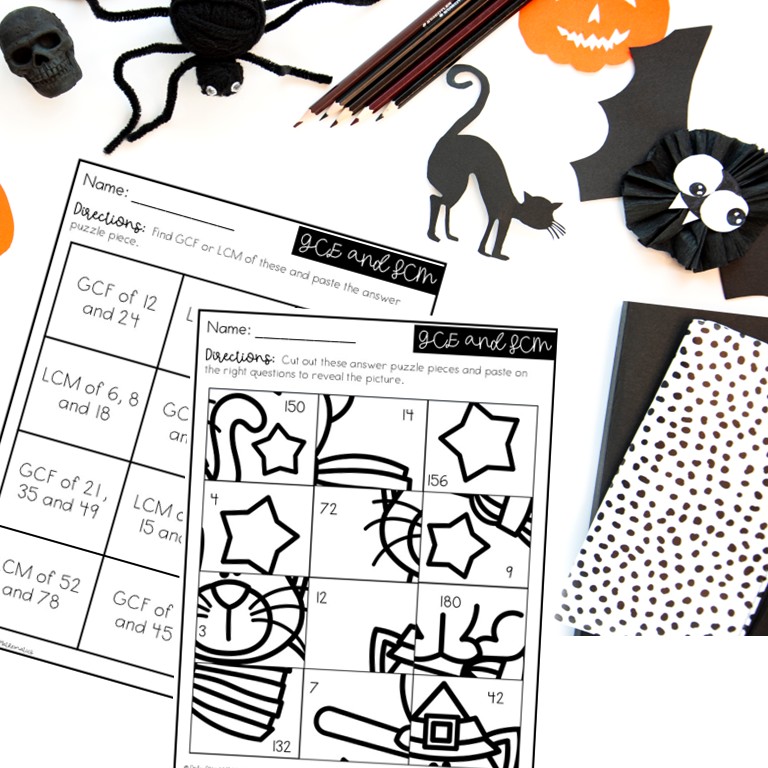
    GCF and LCM Puzzle Cut, Solve, and Reveal

    Puzzles help kids with their critical thinking and problem solving skills.

    This Halloween math puzzle is like magic, your students won’t even realize how much math they’re doing.

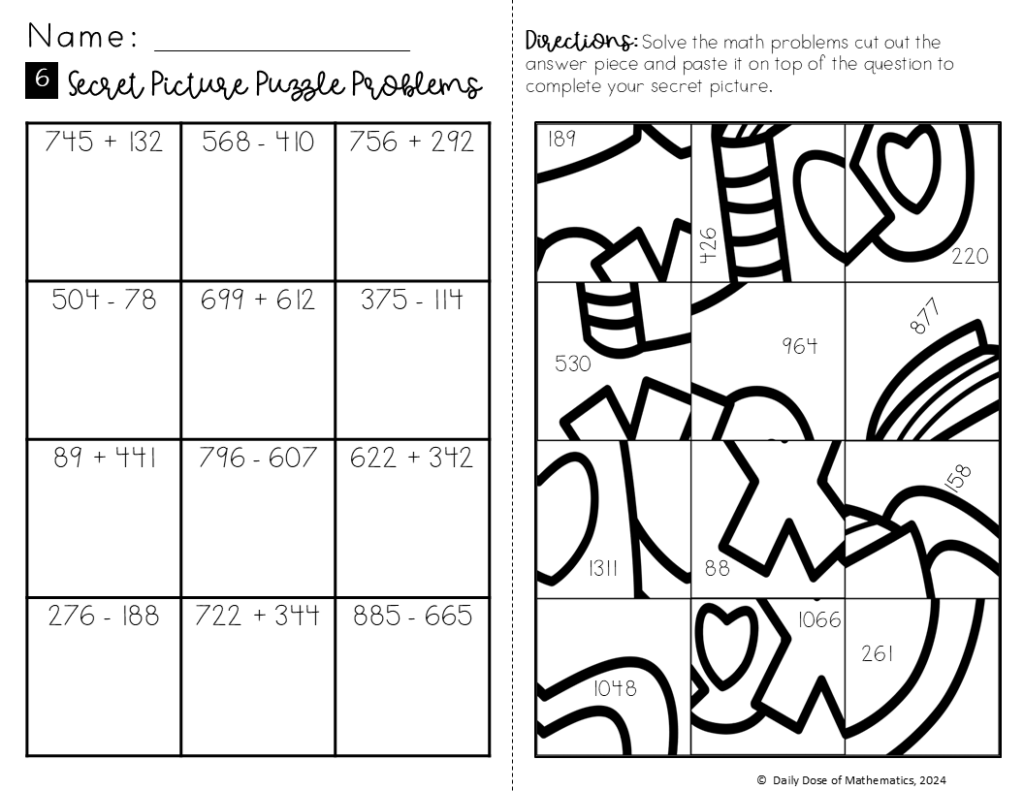
    Here is how to implement this 2-pager activity. Problems are on one page and corresponding answer puzzles are on the other.

    Halloween GCF and LCM Puzzle Activity 5th 6th Grade

    Students solve each GCF or LCM question, find the puzzle piece with the correct answer, and paste it into the correct space to reveal a mystery Halloween image.

    Skills it reinforces:

    • GCF and LCM mastery
    • Critical thinking
    • Fine motor skills and focus

    It’s engaging, it’s visual, and it’s low-prep. Just print both pages, and your students handle the rest.

    To try this out in your class, you can check out this Halloween GCF and LCM activity pack here.

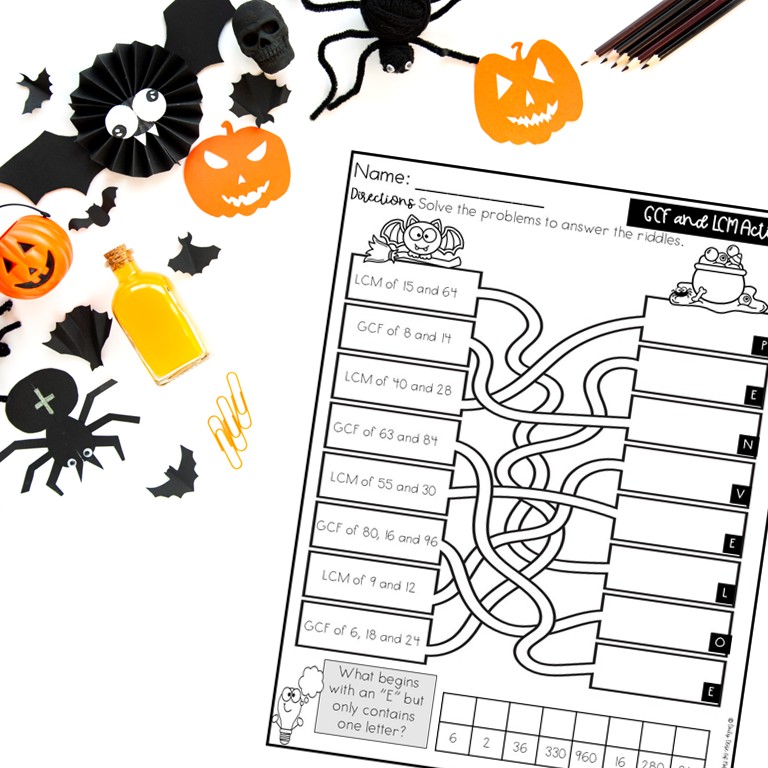
    Halloween Greatest Common Factor Riddle

    Riddles are like catnip for kids. In this Halloween themed riddle activity, students solve GCF and LCM problems and write their answers on the connected given space.

    At the end, they collect letters that solve a spooky riddle.

    Halloween GCF and LCM Riddle Worksheet and Activity 5th 6th Grade

    Here is why it’s a win in my classroom:

    • Instant buy-in from students
    • Encourages problem-solving and logic
    • Great for math stations, partner work, or even test prep review

    You can even use it during rotations, independent practice, or as an enrichment activity during Halloween week.

    To try this out in your class, you can check out this Halloween GCF and LCM activity pack here.

    Pro Tip:

    Want to survive Halloween week without losing your mind?

    Print all three activities and set them up as stations.

    Your students rotate through the color-by-number, puzzle, and riddle and they stay engaged the entire time.

    They think it’s fun.
    You know it’s standards-based review.
    Everyone wins.

    Want to try all 3 Activities?

    I bundled all three Halloween GCF & LCM activities together in one low-prep printable pack perfect for 5th and 6th grade math teachers who need a break from boring stuff.

    You don’t need to skip meaningful math instruction just because it’s Halloween week.

    With the right activities, your students can have fun while practicing critical concepts and you can keep your sanity intact.

    Whether you use them for centers, sub plans, or fast finishers, these Halloween-themed GCF and LCM worksheets are ready to go when you are.

    Pin it now. Print it later. Teach it without the stress.

    To try this out in your class, you can check out this Halloween GCF and LCM activity pack here.

    Want more ideas to teach in your next 5th or 6th grade math class? Check them here

  • | |

    Fun Division Riddles for Practicing Division Skills

    Division is hard for kids…PERIOD!

    But it doesn’t have to be if its practiced with something fun like riddles.

    Honestly, when I first started out teaching… division always felt like a confusing jumble of numbers because didn’t have their facts memorized. 

    No matter how much you try to make your kids practice division problems unless they have a solid grasp of math facts they won’t be able to work on those complex problems.

    It’s like not knowing how to drive but trying to drive anyway.

    Division Riddles Worksheets and Activities for 3rd 4th and 5th grade math lessons -Pin

    If that’s the case, then what we should be focusing on is helping them get their basic math facts straight.

    By fifth grade, students should be proficient in basic math facts but if that’s not the case, there’s a problem.

    To be honest, there can be many reasons for this problem. 

    Reasons like

    • a lack of understanding,
    • memorization feeling like a draining task,
    • table overload,
    • multiplication confusion,

    and more can all contribute to elementary kids not having a good grip on facts.

    Are you interested in knowing how I make division practice fun and engaging for my kiddos?

    Without making it seem like they are practicing… It’s by using riddles!

    Riddles are a perfect teaching tool to help students develop division and problem-solving skills during back-to-school time or throughout the whole year.

    Why Division Practice Is Important

    Practicing division problems is crucial for a kid’s basic math learning and understanding.

    It’s like a foundational math skill that helps kids make sense of math.

    When children practice division, they learn how to break things into equal parts and understand the relationship between multiplication and division.

    This reinforces their number sense, basically how they see and work with numbers in daily life.

    It also helps them solve real-world problems.

    Let’s say, they’re cutting a pizza into slices or figuring out how many cookies each friend gets, knowing how to divide makes it easier for them.

    The most important thing is, it opens doors for advanced topics like fractions, ratios, and algebra later on grades.

    Ina nutshell, division helps kids:

    • Increase their problem-solving abilities 
    • Build confidence in handling day to day calculations 
    • Improve their understanding of the world around them

    Now that you know how important it is for our kids to practice division problems. Let’s talk solutions.

    The best way I am able to get my students working on division practice is by using division riddles.

    They keep kids focused on the task at hand and builds perseverance. 

    How Division Riddles Works: 

    You hand out one of the division riddles to your kids.

    It could be a division fact or 2 by 1, 2 by 2  digit or 3 by 1 or 3 by 2 digit, whatever numbers you want your students to practice that day. 

    Students start working on the problems and with every problem they unlock a key (letter) that is part of the mystery riddle they are solving.

    The clues are unlocked randomly to make it more interesting and exciting for the kids.

    Division Riddles Worksheets and Activities 3rd 4th 5th grade elementary kids fun division practice sheets

    Once they have solved all the problems the answer to the mystery is revealed.

    This gamified way of practicing division makes it less intimidating for the students and helps them gain confidence in their math skills.

    Few ways to use Division Riddles inside classroom:

    We all love activities that are versatile and can be used in multiple ways inside our classroom.

    Here are a few ways you can use a Riddle activity 

    • Partner work
    • Home work
    • Centers or rotation
    • Review or practice work
    • Or anytime you want to have something FUN 

    By the way if you are looking for 2 and 3 digit by 1 digit long division practice worksheets for your upper elementary students? 

    Check out the division riddles resource on my TPT shop and let your kids have fun while learning at the same time.

    Division Riddles Worksheets and Activities 3rd 4th 5th grade elementary kids fun division practice sheets-pin

    Looking for more tips on 5th grade math teaching checkout this Blog post on 5th grade year round math activities.

  • Back-to-School Math Activities That Set the Tone for the Year

    Do you feel like the first few weeks of school are a wild ride, between building relationships, establishing routines, and trying to remember 35+ student names, it’s easy for math review to get thrown on the back burner. 

    But here’s the thing: if you don’t intentionally set the tone for math from day one, your students won’t either for the rest of the year.

    And that’s NOT something I want happening in my classroom. Nope, neither should you.

    📌 Save this post for later – Pin it to your favorite math board!

    So instead of using boring math worksheets or overwhelming diagnostic tests, I use engaging skill based no prep math activities that help me review what they forgot over summer without making them cry.

    Here are a few of my go to back to school math activities that review key skills AND get your students excited about learning again.

    Activity #1: Color by Number for Math Facts Review

    This one’s a classroom favorite — every time. I use them throughout the year in so many ways. 

    I start the year by reviewing basic math operations like addition subtraction multiplication and division of multi digit numbers. The best way to do this is using color by number math printables that review these core basics. 

    The coloring math pages aren’t just fun, but a low-pressure way that gives me an instant idea about where my students’s math skills are.

    You might be thinking why would math coloring work?

    Multiplication Facts Fluency Color by number and maze activity that are self checking

    Because it’s quiet, focused, and low-prep (aka teacher sanity saver). 

    Kids feel successful and relaxed, even if they’re rusty. Most of all, they work across all levels, not just adjust basic math skills!

    Here is my go to back to school math activities that I use over and over again:

    These let me see exactly who remembers their facts, and who’s gonna need support.

     Activity #2: Math Riddles for Skill Review & Confidence Boost

    Math + humor = WIN.

    After summer brain drain, many kids feel nervous about math. That’s why I love using math riddles during the first few weeks of school.

    They’re engaging, self-checking, and build serious confidence, especially for students who typically shut down during more traditional practice.

    What matters most is that it keeps them engaged longer, not just because of the math itself, but because the suspense of solving the riddle holds their attention and keeps them going without frustration.

    Fun addition subtraction multiplication and division riddles printable math worksheets for 3rd 4th and 5th grade

    And guess what? There’s actual research to support this. 

    A study published in the Journal PRIMUS found that using logic puzzles, riddles and brain teasers in math practice can significantly boost student motivation and learning outcomes.

    Riddles work perfectly for partners or independent work and initiate discussions that kids might not otherwise have.

    Want a ready-to-use set of math riddles to kick off the year?

    Check out these back to school math activities and riddle worksheets that reviews key math skills — no prep needed. 

    Activity #3: Partner Puzzle Challenges

    Honestly, the first week of school is not the time to hit them with a textbook. 

    It’s time to build connections, make them curious, and ease them into structure without stress.

    One of my favorite ways to do that is by using partner puzzle math activities to review the concepts. 

    For that, I pair students up to complete a math puzzle in collaboration with their partner. Why?

    Because not only does it build classroom community, but it also gets them talking, collaborating, and thinking critically from day one, which is super important.

    The key is using something that’s Skill-focused (so it’s not just fluff) and self-checking (because you’ve got 1,000 other things to manage).

    Fraction addition and subtraction with unlike denominator mystery picture puzzles 5th and 6th grade math activities

    You can use something like picture puzzles. Want to know how they work?

    Students solve fraction operations problems (add, subtract, multiply, divide), then match their answers to reveal a hidden picture. 

    They work in pairs, double-check each other’s math, and get excited when the image starts to appear. It’s like math + art + problem-solving rolled into one, and YES, they’ll actually ask for more when they finish.

    For middle school grades, I use this Fraction Operations Mystery Picture Puzzle during week one or two when we start reviewing fraction skills from 5th grade. It’s the perfect soft entry back into multi-step problems, especially for students who are a little rusty.

    Activity #4: Fun Independent Review Packets

    As we transition out of back-to-school dread and into “real curriculum,” I use independent review packets to bridge my kid’s concept gaps.

    I choose 1-2 skills per day (ex: decimal addition, then subtraction the next day) and give them a page daily for 5–10 minutes to warm up their math brains.

    5th grade math independent work packets for morning work or warm ups

    You can even use independent packets to build your own year long review packets.

    Activity #5: Digital Pixel Art Activities

    By week two, most of us are already juggling tech rollouts, login issues, and trying to figure out how to squeeze actual math teaching into a packed schedule.

    Digital pixel art activities are my go to when I want students using Chromebooks productively without me having to monitor them.

    They’re self-checking, skill-based, and fun as hell.

    Basically, students solve problems, and a hidden picture gradually appears based on their answers. It’s like gaming, but for math review.

    Here’s what I use them during back-to-school:

    1 – Place Value Pixel Art for Early Review

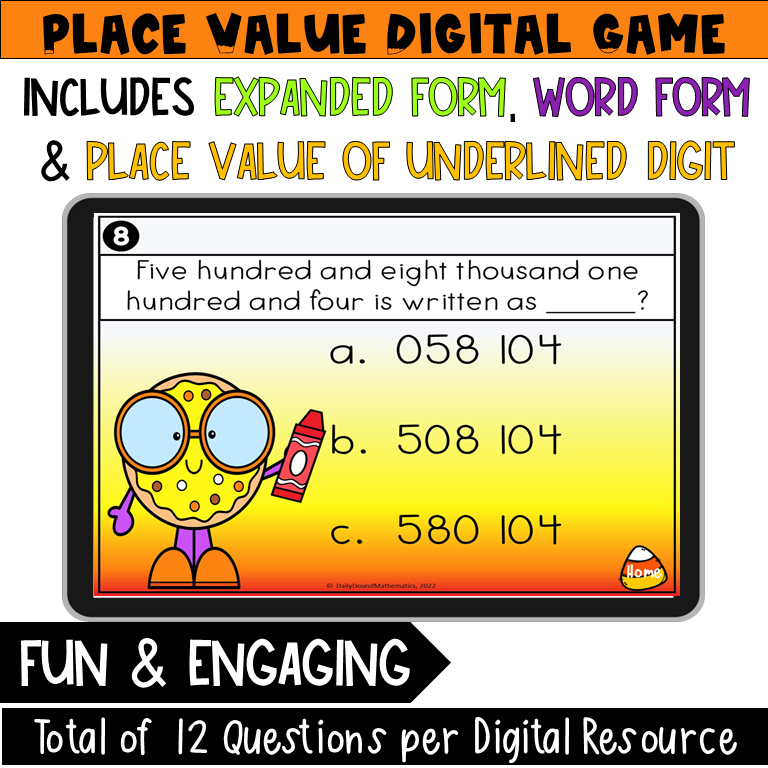
    5th grade digital pixel art activity to review place value concepts and back to school diagnostics test

    Skill focus: Place value — perfect to revisit those rusty number sense skills from 4th grade
    When I use it: the first full week of school
    Why it works:

    • It’s digital, but doesn’t need fancy platforms
    • Instant feedback means students stay engaged
    • It’s great for centers, independent work, or as a tech-day activity 

    2 – End-of-Year Review Pixel Art (YES, at the Beginning!)

    You might think this one’s just for May — but I use it during back-to-school season, too.

    Why? Because it’s super easy to preview what’s coming and get a quick pulse on what they actually remember from the previous grade.

    5th grade digital pixel art activity to review 5th grade math concepts and back to school diagnostics test

    It uses task cards + digital pixel art, which means engagement + data for YOU.

    Still looking for a Free Back-to-School Math Activity? I’ve bundled one of my favorite color-by-number worksheets + math review printable into a free pack for you to download.

    Use it on day one or during your first week of review to get students back into the math mindset without stress or busywork.

    Want the More Back-to-School Math Center Activities?

    Grab this Back-to-School Math Bundle that is 75% off and includes:

    • Fun, low-prep math pintables
    • Skill-based review for all 4 basic operations and more
    • Engaging printables like color by number, riddles, and puzzles

    Right now this mega bundle is 75% off For Full Fun and Engaging Math Centers all Year Long.

    Back-to-school season doesn’t have to be chaos. With the right math activities, the ones that are fun, focused, and functional, you’ll start your year with students who are engaged, confident, and ready to learn.

    Skip the overwhelm. Get these exciting activities, and go enjoy teaching your class.

    Happy Teaching… Sadia

  • |

    3 Digit Subtraction and Addition Worksheets for Daily Math

    During my elementary math classroom, I like having games and activities that are not prep.

    Why? Well, because it is easier for teachers to set them up and grade, and on top of that, kids ALWAYS love it when I teach subtraction and addition using board game worksheets.

    In this blog post, I’m going to share 3 of the best resources you can use in your classroom to teach 3 digit subtraction and addition using worksheets.

    First of all, teaching 3 digit subtraction and addition with and without regrouping isn’t just necessary at the start of the year. In fact, it’s better to set up the material as a year-long series resource that you just pull up and instantly use to teach.

    Honestly, it can be hard to make something that you can use all year long. At least, it was always hard for me to decide what to use for practicing this basic addition and subtraction skill.

    To overcome this problem, I created several 3 digit subtraction and addition worksheets that I keep with me whenever I need them during class.

    Here are a few of them that you can use to make your life easier.

    3 Digit Subtraction and Addition Worksheets

    1. 3 Digit Subtraction and Addition Worksheets

    As the name suggests, addition and subtraction with regrouping worksheets are best used when we are introducing these concepts to kids.

    What you want at this stage is to allow your students to practice the skills they have learned without any distractions.

    Once they have practiced enough, you can then use advanced pedagogical activities to reinforce their practice, like printable math board games, digital activities, or even coloring math worksheets.

    This excites the students to work on their basics and get their practice done correctly.

    Looking for some premade worksheet suggestions?

    Check these 3 digit subtraction and addition worksheets


    3 Digit Subtraction and Addition Worksheets

    2. Addition and Subtraction Riddles Activity Worksheets

    Honestly, who does not love to solve riddles? In my classroom, I always find my kids excited to practice math when done with riddles worksheets.

    This activity is the single most used activity throughout my addition and subtraction practice class. Riddles not only keep them engaged in working on math but also keep them excited to know what the answer to the secret question is.

    So if you want to make your kids practice 3 digit addition and subtraction, use riddle activities to keep them excited about working on their daily practice.

    Another option would be to use it as a center activity or homework to reinforce what they have learned.

    Want to check out how I use Riddles for multi digit addition and subtraction, click here.


    3. Solve The Room 3 Digit Addition and Subtraction Activity

    5th grade solve the room activities

    Let’s face it math is a tough subject for some kids.

    And whether you are new to teaching or you have been teaching for quite some time.

    It can get frustrating to keep your kids engaged and excited to try new concepts. It can feel boring to go through the same activities day in and day out. But the good news is that it does not have to be!
    If you want to make this tedious task more fun and engaging for your kids, WHY not incorporate the Solve the Room activity in your weekly math activities list?

    Solve the Room is a simple yet effective way to help your kids get up and moving while solving math inside the class.

    It is not only fun and highly active, but can also be used to assess your student’s individual understanding of the concepts.


    Here is how it works:

    You place the question task cards at different stations inside your classroom. Give each of your students a recording sheet that they can use to solve and write their answers.

    Students hop from one station to the other, solving the problems. If they get stuck, they can come to me for some help.

    You can use Solve the Room activities for every 5th grade math topic. I use it for almost every 5th grade math topic, like Addition and Subtraction of Whole numbers, Fractions, and Decimals.

    But just in case you do not want to make these activities yourself and want to save your valuable time, then I have one inside my TPT store for you to check out. Click here to check! 

    Want a free adding and subtracting decimals activity check this post!

    Join in to get special FREEBIES and Insider’s FUN!